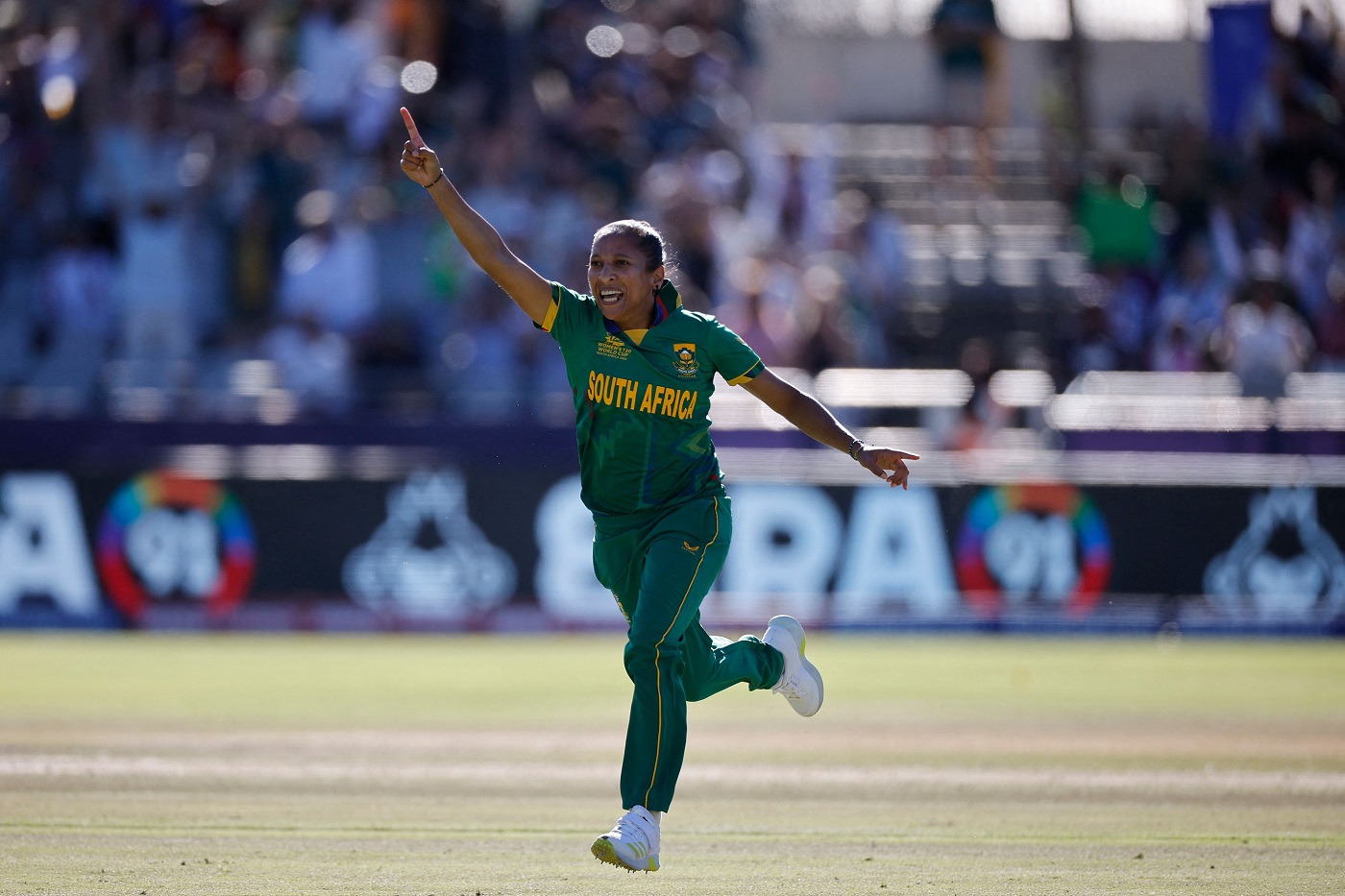
Shabnim Ismail Returns From Retirement For World Cup Push
South Africa fast bowler Shabnim Ismail has reversed her international retirement decision. The move comes after the Proteas reached two World Cup finals without her. Ismail now aims to help South Africa win their first ICC Women’s World Cup title.
Shabnim Ismail’s U-turn exposes South African cricket’s trophy desperation. The Proteas chased two World Cup finals without their best fast bowler—a damning indictment of selection strategy. Now, at 35, Ismail returns as a band-aid solution rather than the long-term fix this team desperately needs. Her inclusion might win them a tournament, but it masks systemic failure in developing pace bowling depth. This is damage control, not progress.
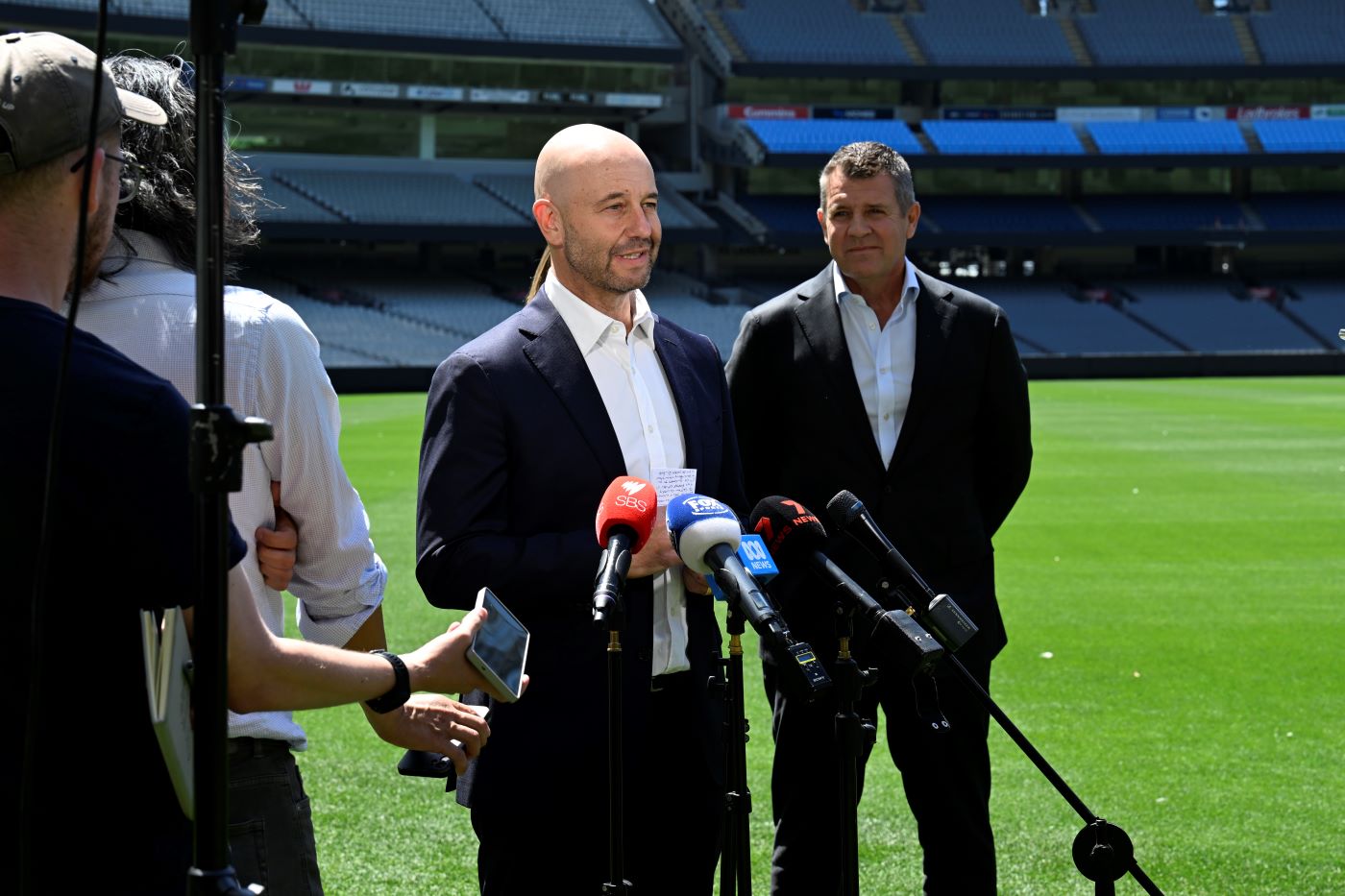
Greenberg Admits CA Failed Explaining BBL Privatisation Plans
CA boss Nick Greenberg acknowledged the board should have communicated better about BBL privatisation efforts. Chair Mike Baird and NSW counterpart John Knox met Monday as CA tests market with three states while negotiating with others on the contentious structural changes.
CA’s privatisation push is a mess because Greenberg’s admission of failed communication actually masks a deeper problem: the board never had genuine buy-in from state bodies before going public. Testing the market with three states while negotiating others reveals they’re shopping for the best deal, not building consensus. This fractured approach will poison future collaboration regardless of privatisation’s merits. CA’s governance is fundamentally broken.
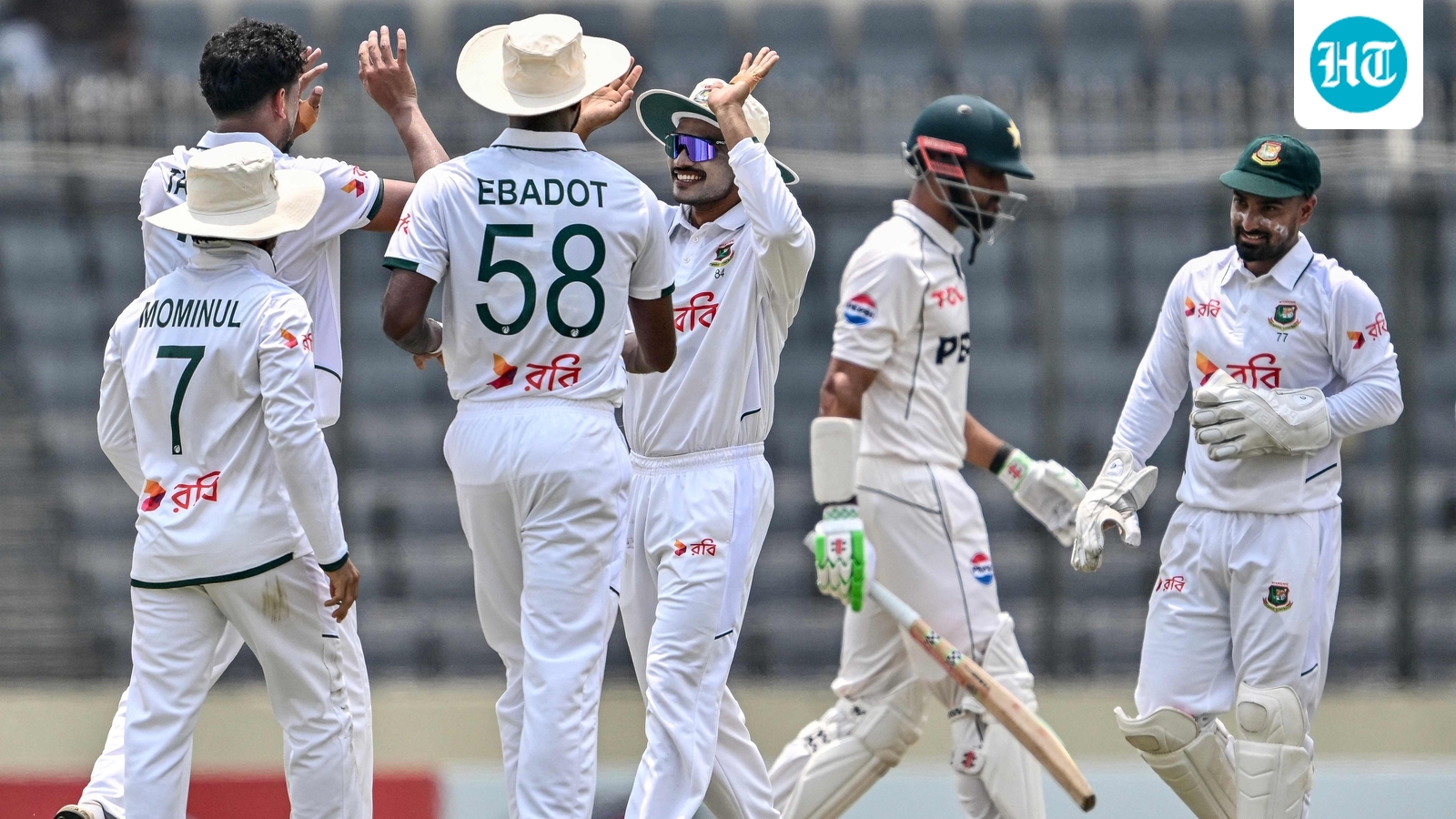
Shan Masood’s Captaincy Crumbles As Pakistan Loses To Bangladesh
Pakistan suffers an unprecedented Test defeat to Bangladesh, marking the visitors’ third consecutive loss in the series. Bangladesh completed a dominant run, sweeping Pakistan 2-0 in 2024 before extending their winning streak. The loss raises serious questions about Shan Masood’s captaincy and Pakistan’s Test cricket direction.
Shan Masood’s captaincy is fundamentally broken. Pakistan’s collapse to Bangladesh—a team they’ve dominated historically—exposes chronic selection failures and non-existent match-ups. The Pakistan Cricket Board’s reluctance to axe Masood despite three straight losses suggests political interference over merit. With Babar Azam’s future uncertain and the middle order in freefall, this isn’t a slump. It’s institutional rot that requires immediate surgery, not patience.