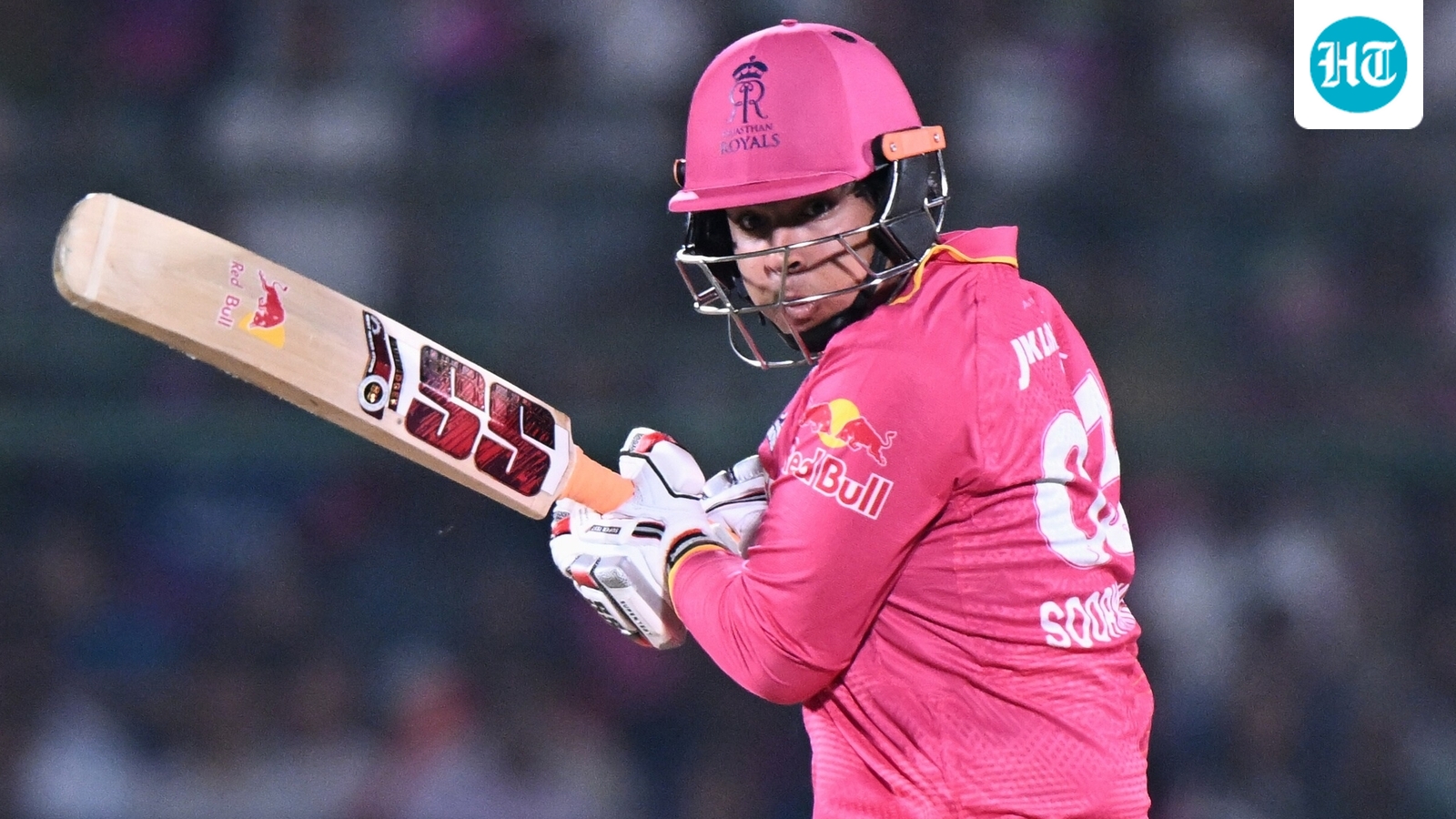
Teenage Sensation Sooryavanshi Shoulders Rajasthan Royals’ Playoff Push
Vaibhav Sooryavanshi, just 15 years old, has scored 440 runs as an opener for Rajasthan Royals in IPL 2026, becoming crucial to the franchise’s playoff ambitions. The teenager’s exceptional performance raises questions about excessive pressure on young shoulders during high-stakes cricket.
Rajasthan Royals is exploiting a child to salvage a mediocre season. A 15-year-old shouldn’t carry playoff hopes for a franchise with veteran resources. The real scandal: IPL’s salary cap allows teams to underpay teenagers while spending lavishly elsewhere. Sooryavanshi’s 440 runs mask structural incompetence. Burning out prodigies isn’t vision—it’s negligence dressed as opportunity.
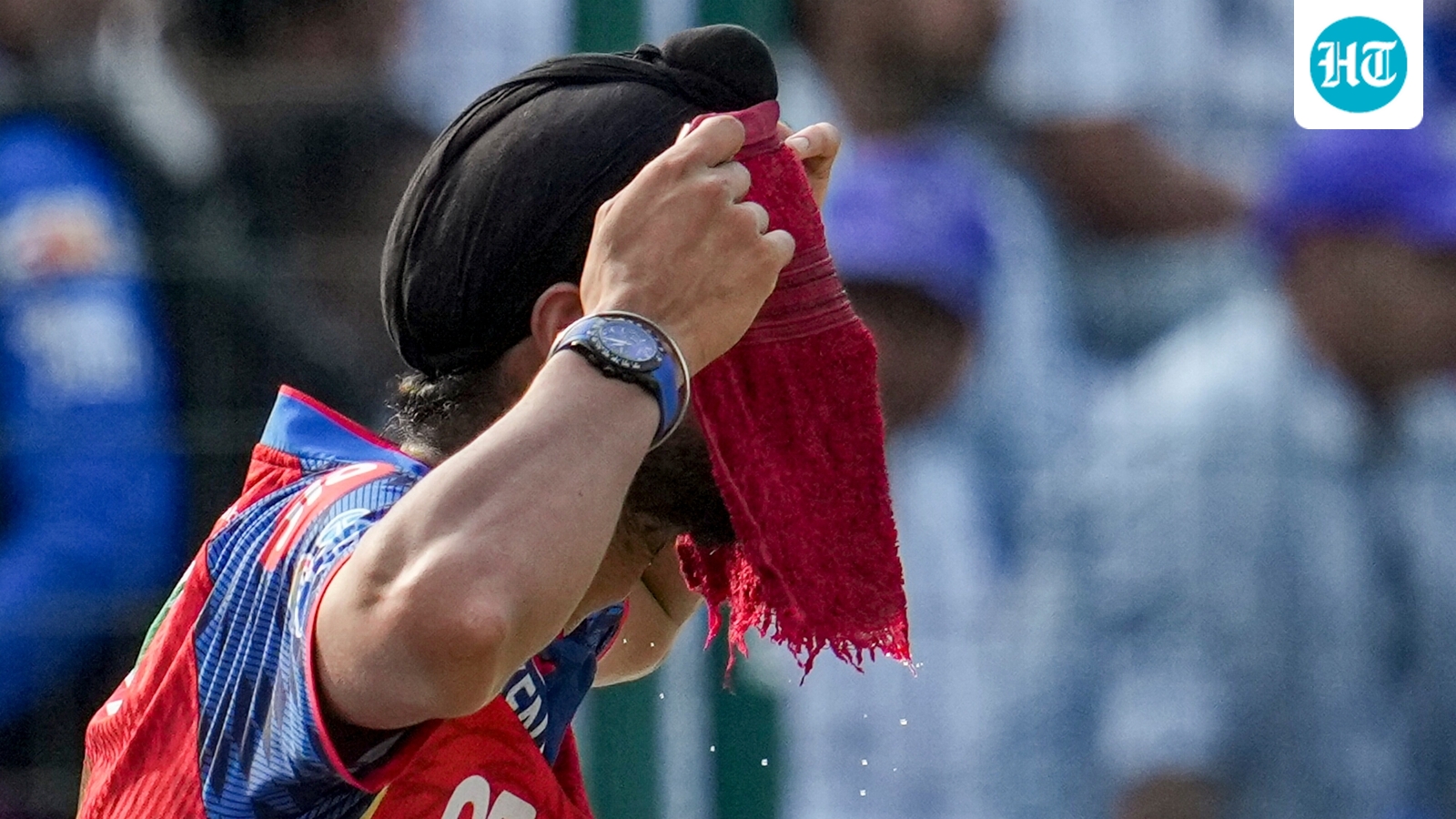
Arshdeep Singh Ignorant, Not Villainous, Says HT After Tilak Row
Arshdeep Singh faces criticism following the Tilak Varma episode, but analysts argue he’s ignorant rather than malicious. The BCCI bears responsibility for grooming cricketers with inadequate education. Singh deserves blame, though institutional gaps in player development remain a core issue.
Arshdeep Singh’s immaturity exposed a glaring BCCI failure: selective player grooming that prioritizes fast bowlers’ pace over their professionalism. Yes, Singh shoulders blame for the Tilak Varma outburst, but India’s talent pipeline consistently produces technically sound cricketers who lack basic emotional discipline. The board invests millions in fitness labs while ignoring character development. Until BCCI mandates personality coaching alongside pace bowling clinics, expect more incidents like this.
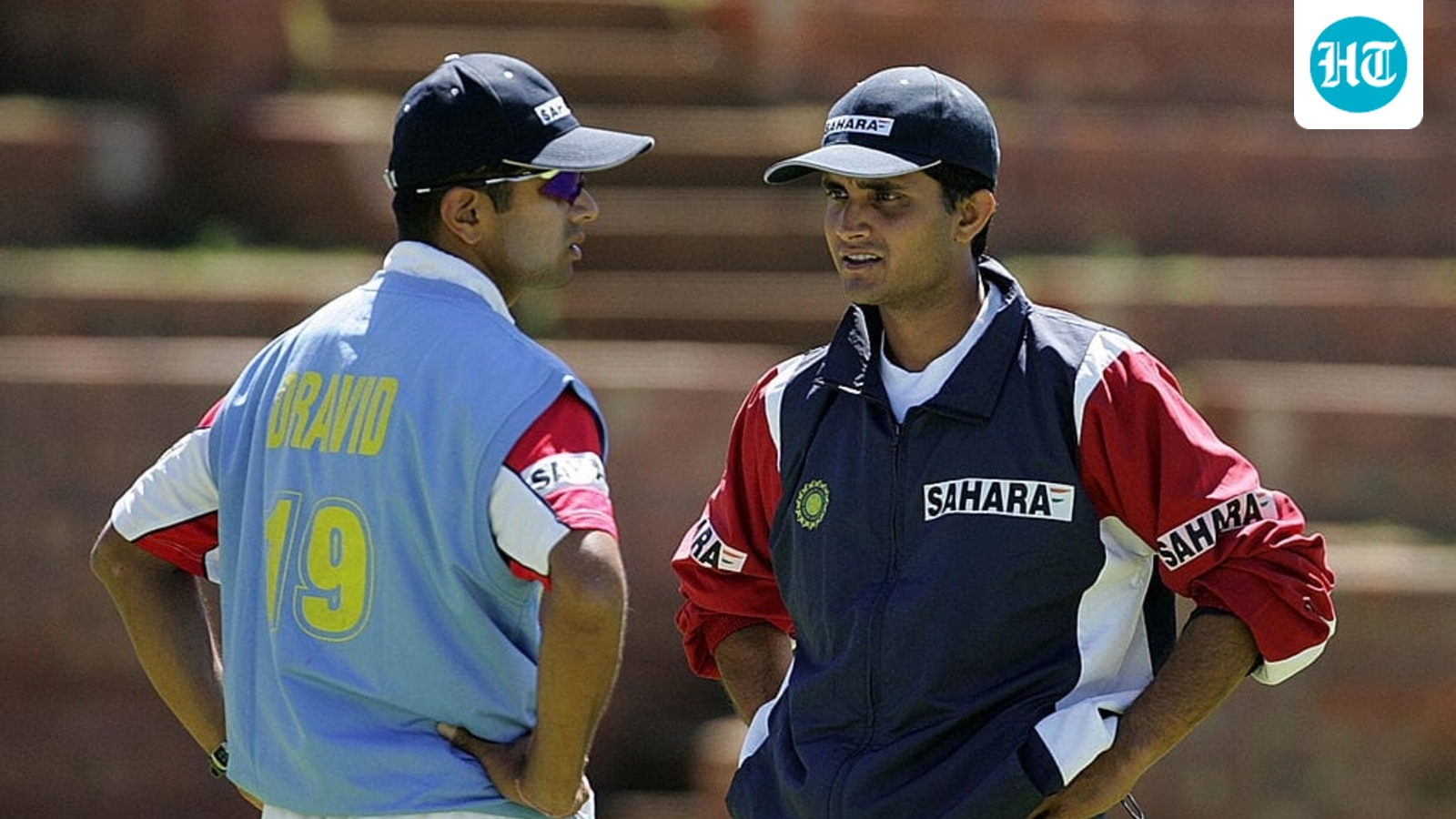
Ganguly Defied BCCI To Save Dravid’s Career
Sourav Ganguly revealed he reshaped India’s ODI strategy by converting Rahul Dravid into a wicketkeeper-batter before the 2003 World Cup. The bold decision, made against BCCI preferences, proved crucial in revitalizing Dravid’s career during a critical phase.
Ganguly’s willingness to buck BCCI hierarchy saved Indian cricket from wasting Dravid’s talent. Converting the maestro to keeper-batter was pure pragmatism—India’s middle order was collapsing, and Dravid’s technique suited the gloves perfectly. What gets overlooked: this move normalized captain-led tactical rebellion against administrators, reshaping how future Indian skippers operated. Ganguly didn’t just revive Dravid; he established captains could win by defying Delhi’s orthodoxy.