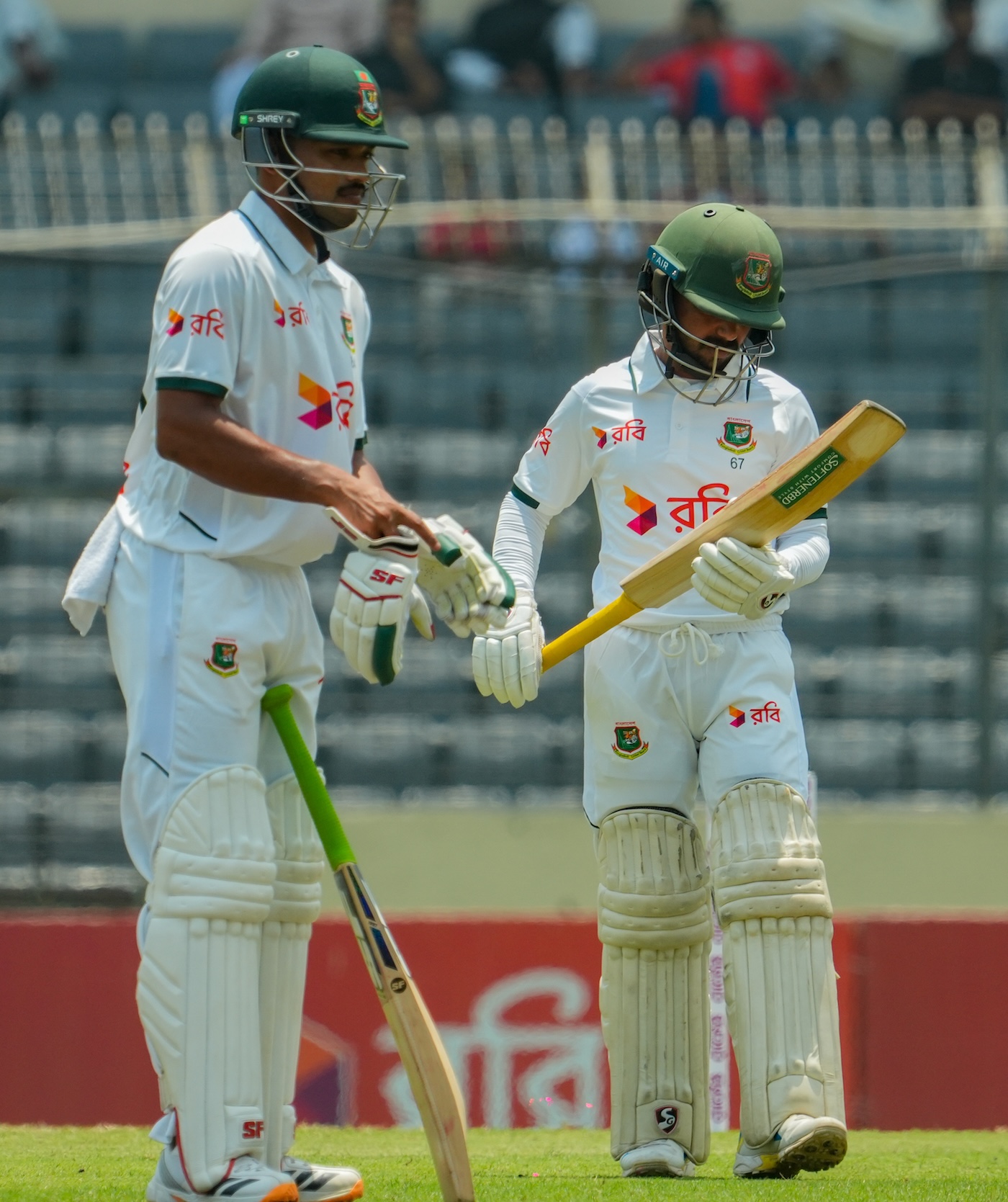
Shanto, Mominul Power Bangladesh’s Strong Reply
Bangladesh openers fell cheaply after Pakistan won the toss and chose to bowl, but Najmul Hossain Shanto and Mominul Haque steadied the innings with substantial partnerships. The duo’s resilient batting kept Pakistan’s bowlers at bay, allowing Bangladesh to build a competitive total and dominate the day’s play.
Bangladesh’s openers got demolished, but Shanto and Mominul rescued them from potential disaster. What the summary glosses over: Pakistan’s bowling attack, despite early success, failed to capitalize on ideal conditions. That’s the real story. Bangladesh rode two batsmen’s discipline to post a competitive total on a day when Pakistan should’ve dominated. It’s a masterclass in damage control that Pakistan will regret for the rest of this match.
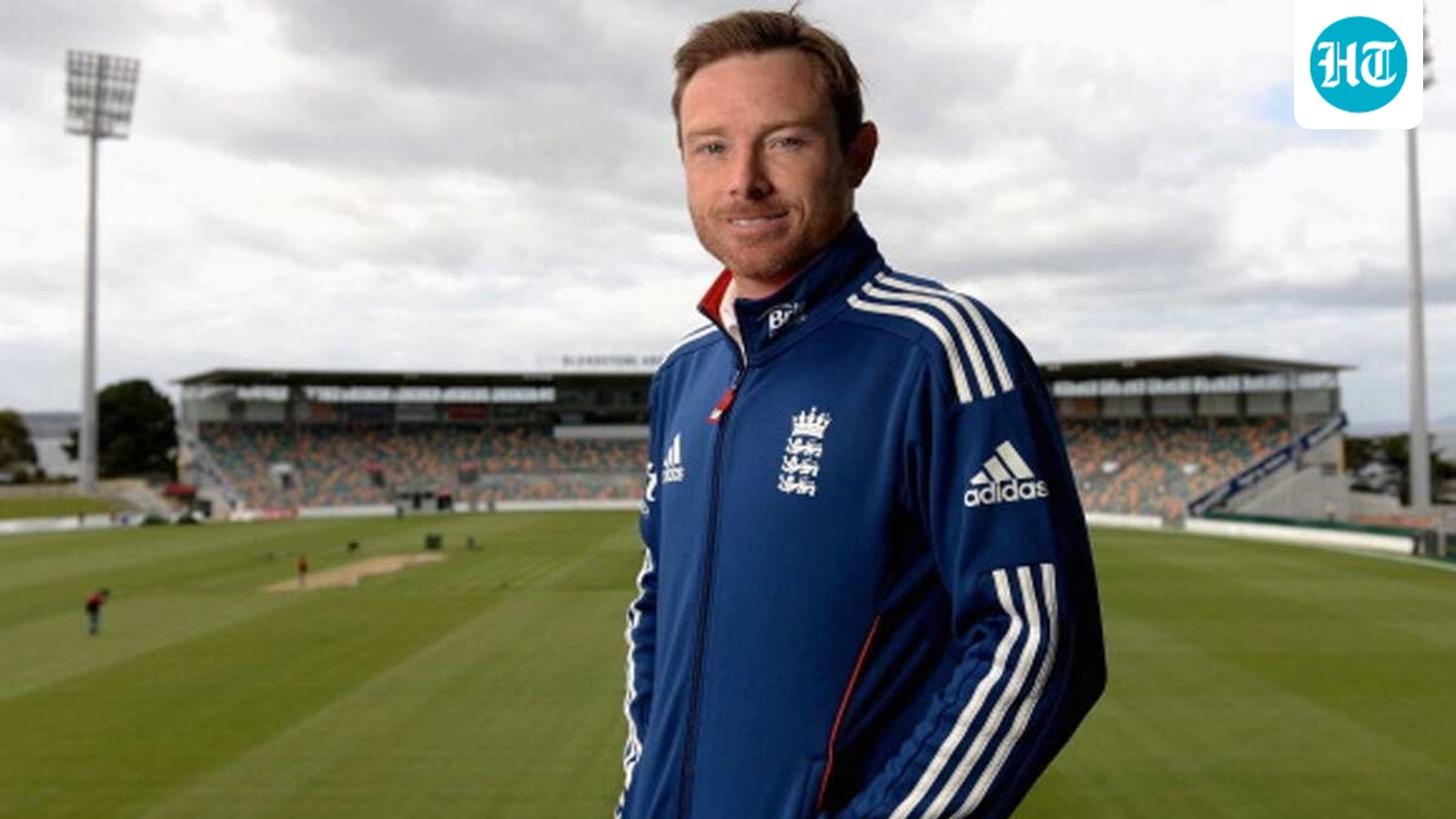
Ian Bell Praises IPL Experience Working With Tendulkar Dravid
Delhi Capitals assistant coach Ian Bell expressed that two months with Sachin Tendulkar or Rahul Dravid would have been invaluable. Despite having no regrets about his IPL journey, Bell acknowledged the league’s excellence and the immense learning opportunities it provides to coaches and players alike.
Bell’s wistful comments expose the IPL’s fundamental flaw: elite coaches get sidelined while franchises chase celebrity names for branding. Two months mentoring under Tendulkar or Dravid would’ve transformed Bell’s tactical arsenal, yet Delhi Capitals buried him in an assistant role. The IPL manufactures marketing opportunities, not genuine knowledge transfer. Bell’s experience illustrates how the league wastes world-class coaching talent on peripheral positions.
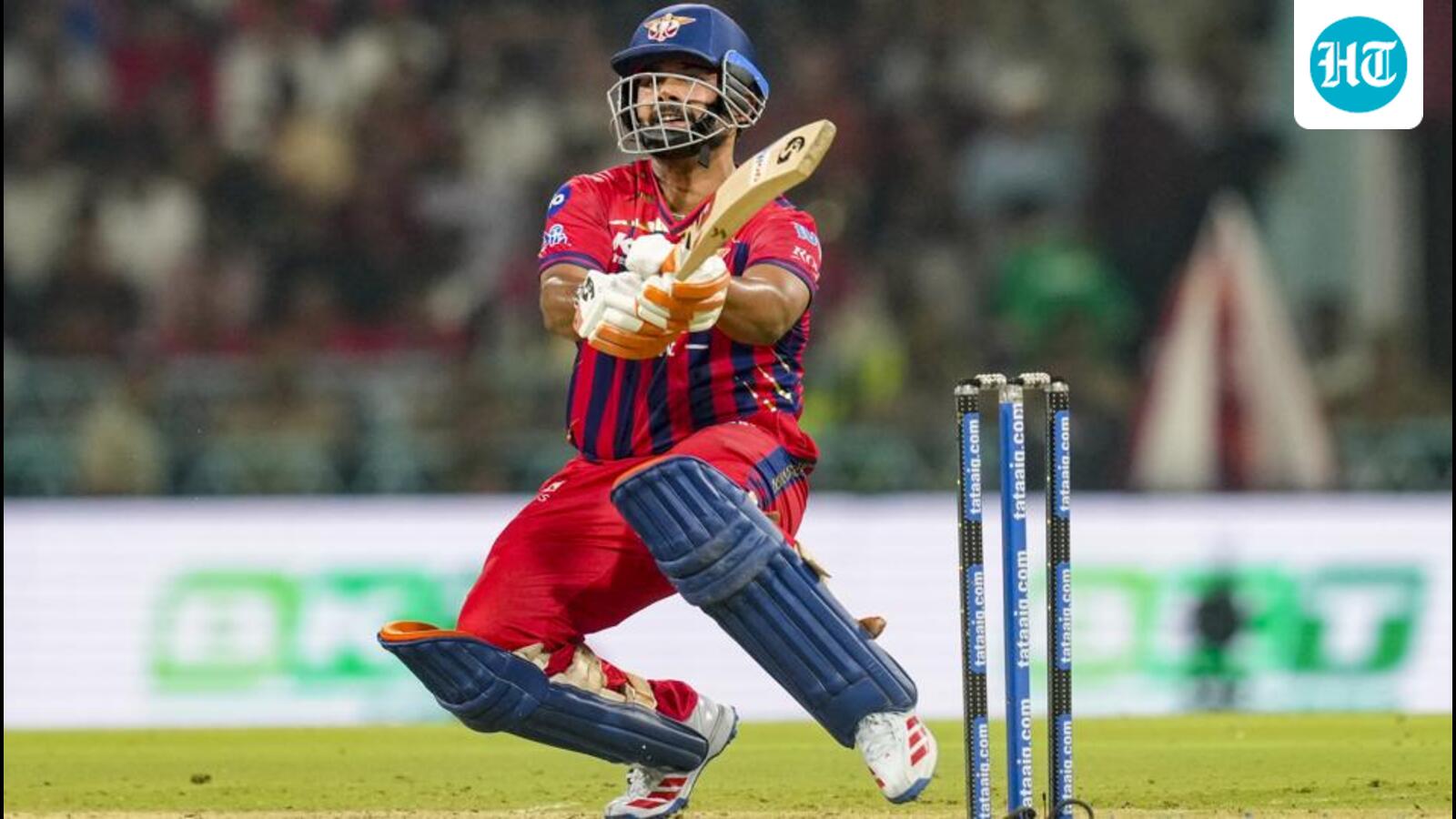
Batters Abandon Flashy Shots For Straight Batting
Reverse sweeps, switch hits and scoops are declining as batters maximise conventional scoring in powerplay overs. Data shows batters focusing on straighter shots along traditional arcs rather than innovative unconventional strokes during powerplay phases.
Batters ditching flashy shots for straight batting is sensible cricket, not a story. They’ve finally realized that powerplay runs come from conventional strokeplay—not innovation theater. What the data misses: franchise cricket’s risk-averse culture. Players protect their averages for contract negotiations instead of attacking. This isn’t evolution; it’s cautious mediocrity disguised as strategy. Modern T20 has become safer and duller because money matters more than entertainment.
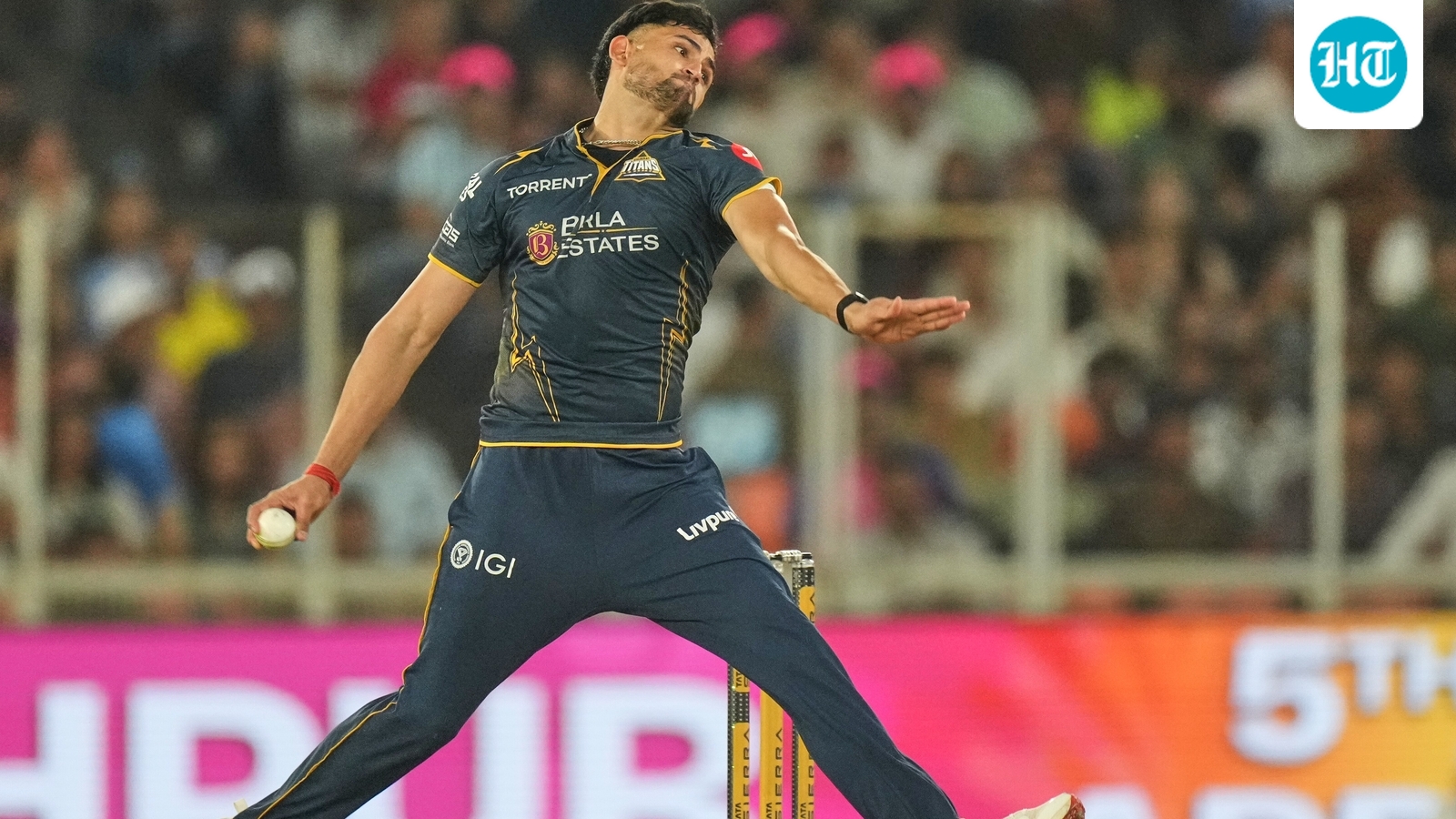
Ashok Sharma’s Tattoo Fuels GT Pacer’s Extra Pace Dream
Gujarat Titans’ 23-year-old tearaway pacer Ashok Sharma carries a tattoo serving as a constant reminder that everything is possible in cricket. The young speedster has displayed extraordinary pace, showcasing raw talent that remains uncommon in the sport as he aims to establish himself at the highest level.
A tattoo doesn’t bowl faster, but Ashok Sharma’s raw pace is genuinely rare for Indian domestic cricket. At 23, he’s clocking 145kmph consistently—a commodity GT desperately needed post-Rabada. The real test: can he survive the IPL grind without injury? Indian speedsters historically break down under franchise cricket’s relentless scheduling. Sharma has the talent, but durability will determine whether he becomes India’s next genuine express bowler or another promising talent derailed by overuse.
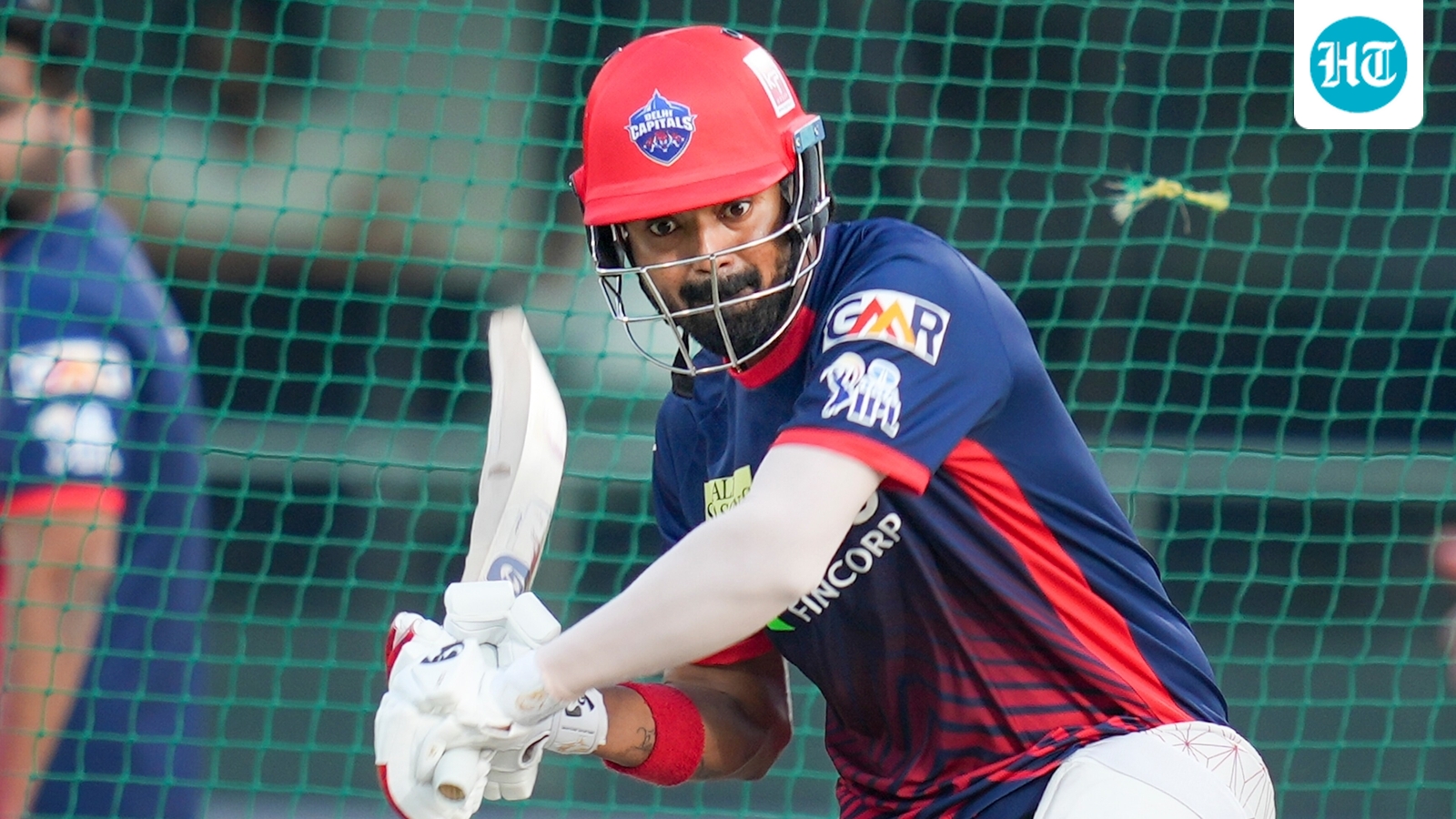
DC vs KKR: Struggling Capitals Face In-Form Knight Riders
Delhi Capitals, winless in four consecutive home matches, clash with Kolkata Knight Riders riding a three-match winning streak in IPL 2026. Both midtable sides desperately pursue playoff qualification, with KKR positioned to leapfrog DC if they maintain momentum in this crucial encounter.
DC’s home form collapse isn’t about being “out of form”—it’s a selection crisis disguised as bad luck. KKR arrives as clear favorites, but here’s what matters: DC’s middle order has no stability. Three changes in four games screams panic, not strategy. KKR won’t need to be brilliant; DC will likely implode themselves. This fixture decides playoff hopes, and Delhi’s dysfunction makes them dead weight already.