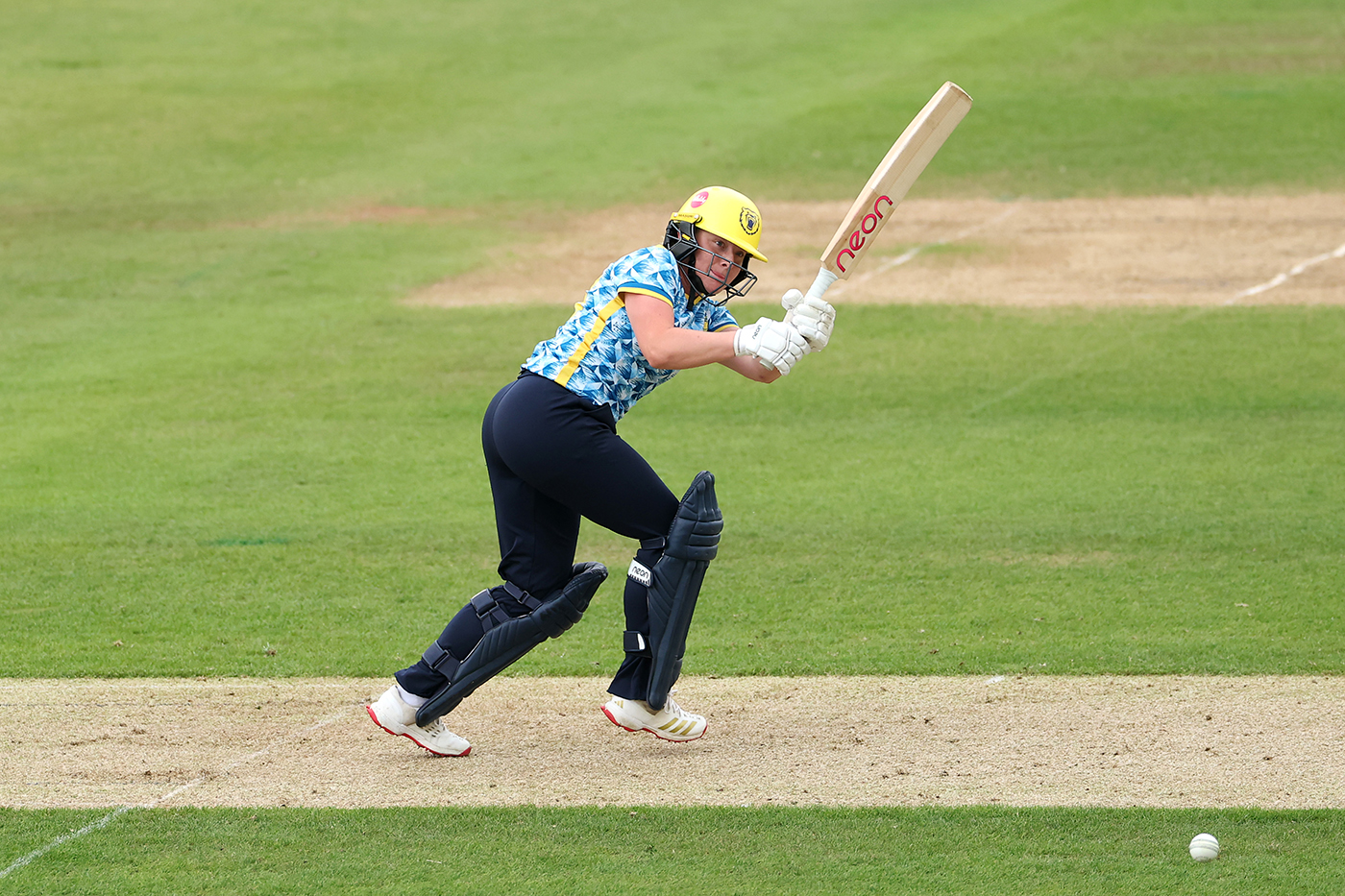
Pavely’s Second Century In Four Days Powers Warwickshire
Charis Pavely scored 127 against Somerset, following an unbeaten 128 against The Blaze. The left-hander’s consecutive centuries put Warwickshire on course for victory in their domestic fixture, demonstrating exceptional form with the bat.
Pavely’s back-to-back centuries prove Warwickshire finally have a domestic anchor. Two substantial innings in four days—127 and 128—show technical maturity against varied attacks. The real intrigue: whether this form forces England’s selection committee to reconsider her for international duty, a conversation that’s been conspicuously absent. Warwickshire’s top order has been fractured for two seasons. Pavely isn’t just scoring runs; she’s solving a structural problem. This is legitimate title-contention material.
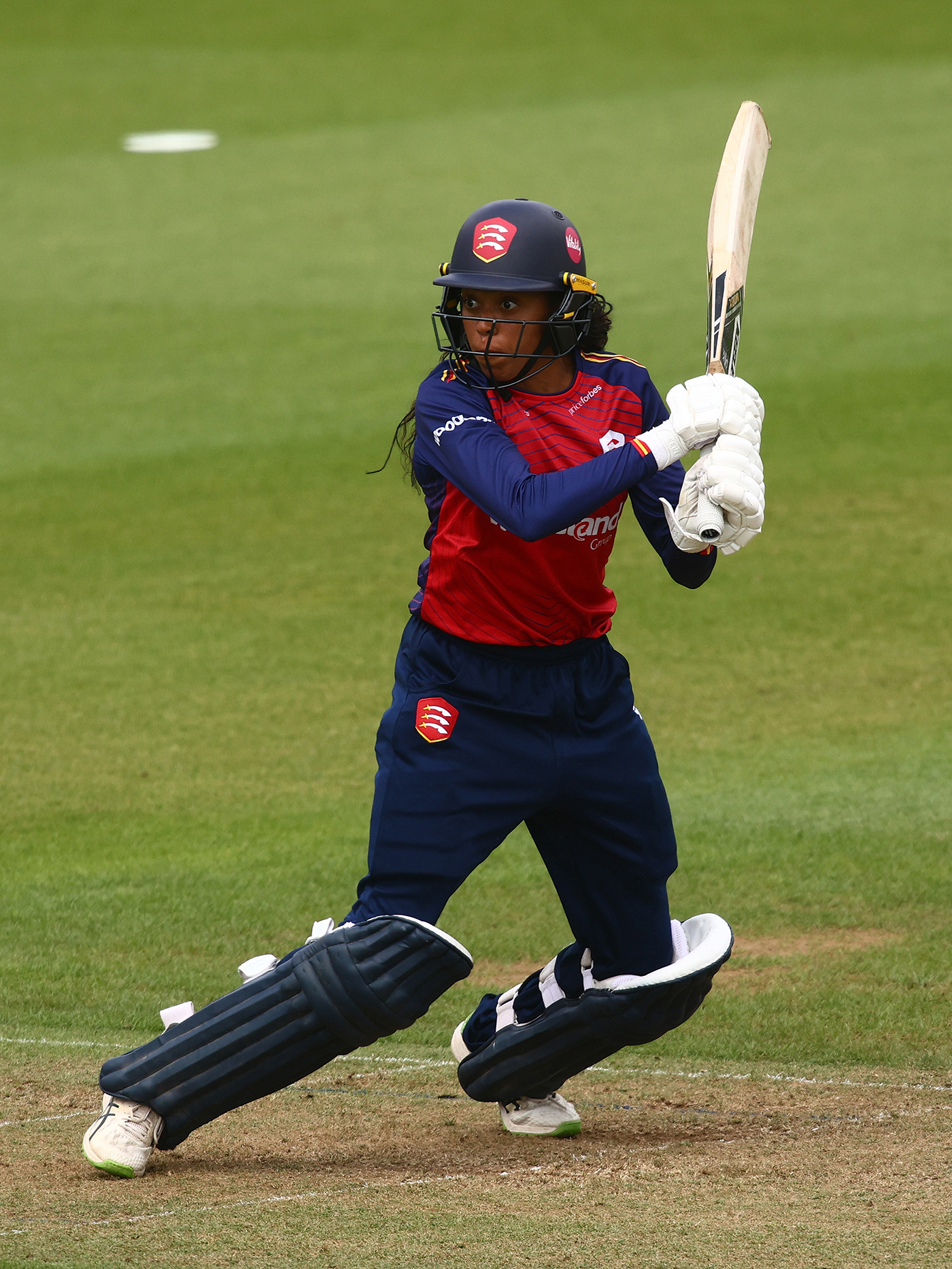
Winfield-Hill, Kalis Fifties Fall Short As Essex Win
Lauren Winfield-Hill and Sterre Kalis scored half-centuries but couldn’t prevent Essex’s thrilling victory. Cordelia Griffith’s fifty helped visitors post a competitive total, yet Eva Gray’s three-wicket haul proved decisive in sealing a nail-biting contest for the home side.
Individual fifties don’t matter when your batting collapses around them. Winfield-Hill and Kalis performed in isolation while Essex’s middle order crumbled the platform beneath them. Gray’s three-wicket spell exposed a deeper fragility—Essex lacked a genuine anchor in their lower order, relying instead on cameos. That structural weakness will haunt them in tighter contests. This wasn’t a thrilling match; it was sloppy cricket that Essex survived.
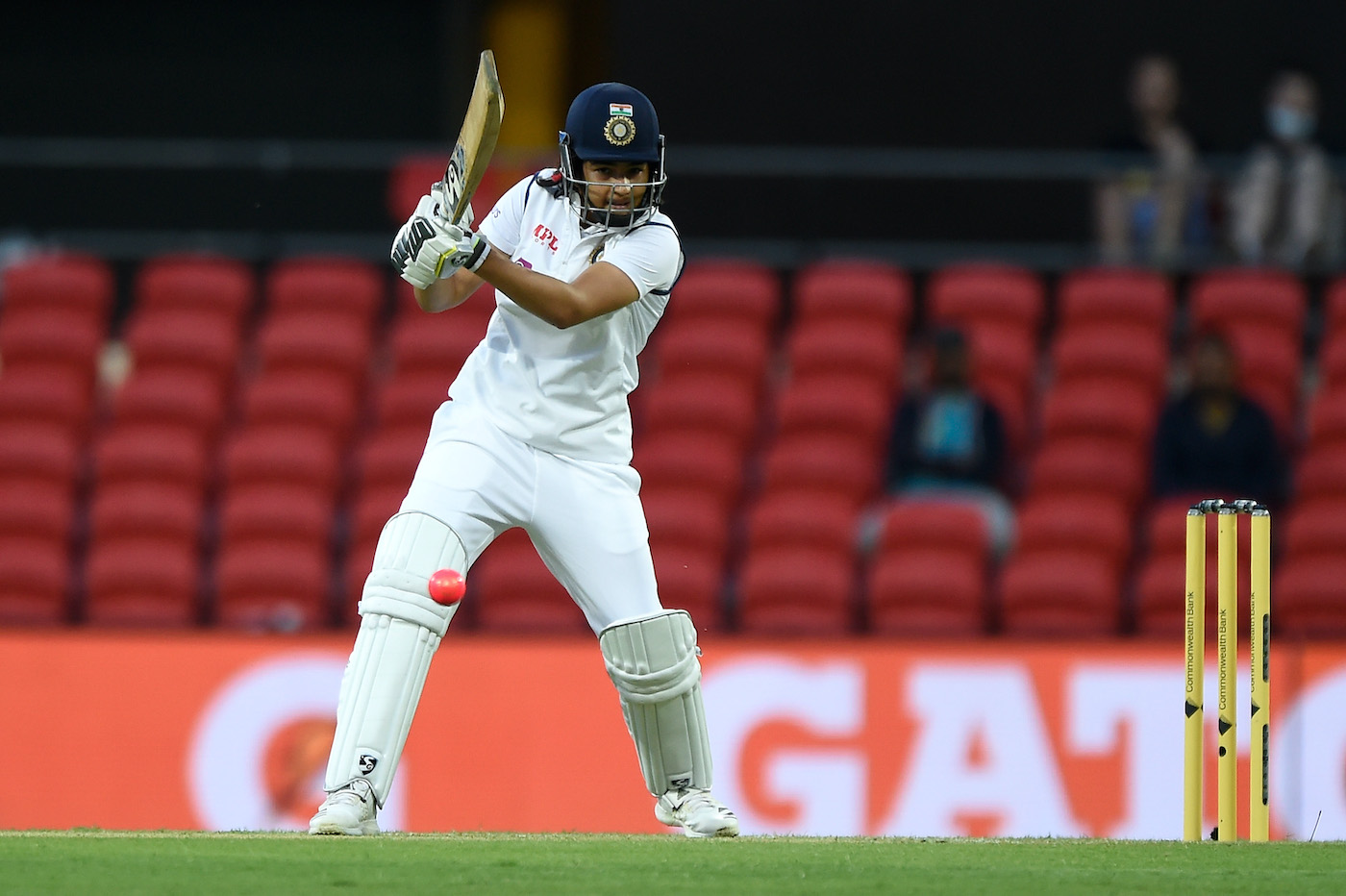
Nandani And Charani Called Up For England Test
India A announces squads for England A series. Anushka Sharma leads T20 unit while Deol captains one-day team. Renuka Singh and Bhatia make comebacks. Nandani and Charani earn Test call-ups, signaling fresh talent development in women’s cricket pipeline.
India’s women’s cricket pipeline desperately needs fresh Test talent, and Nandani and Charani’s England call-ups prove the selectors finally understand this urgency. What’s overlooked: both players’ domestic red-ball records remain modest, suggesting India A is prioritizing potential over proven performance—a calculated gamble. The real test won’t be in England but whether these debuts translate into consistent international cricket. We’re backing the boldness, but execution matters more than youth.
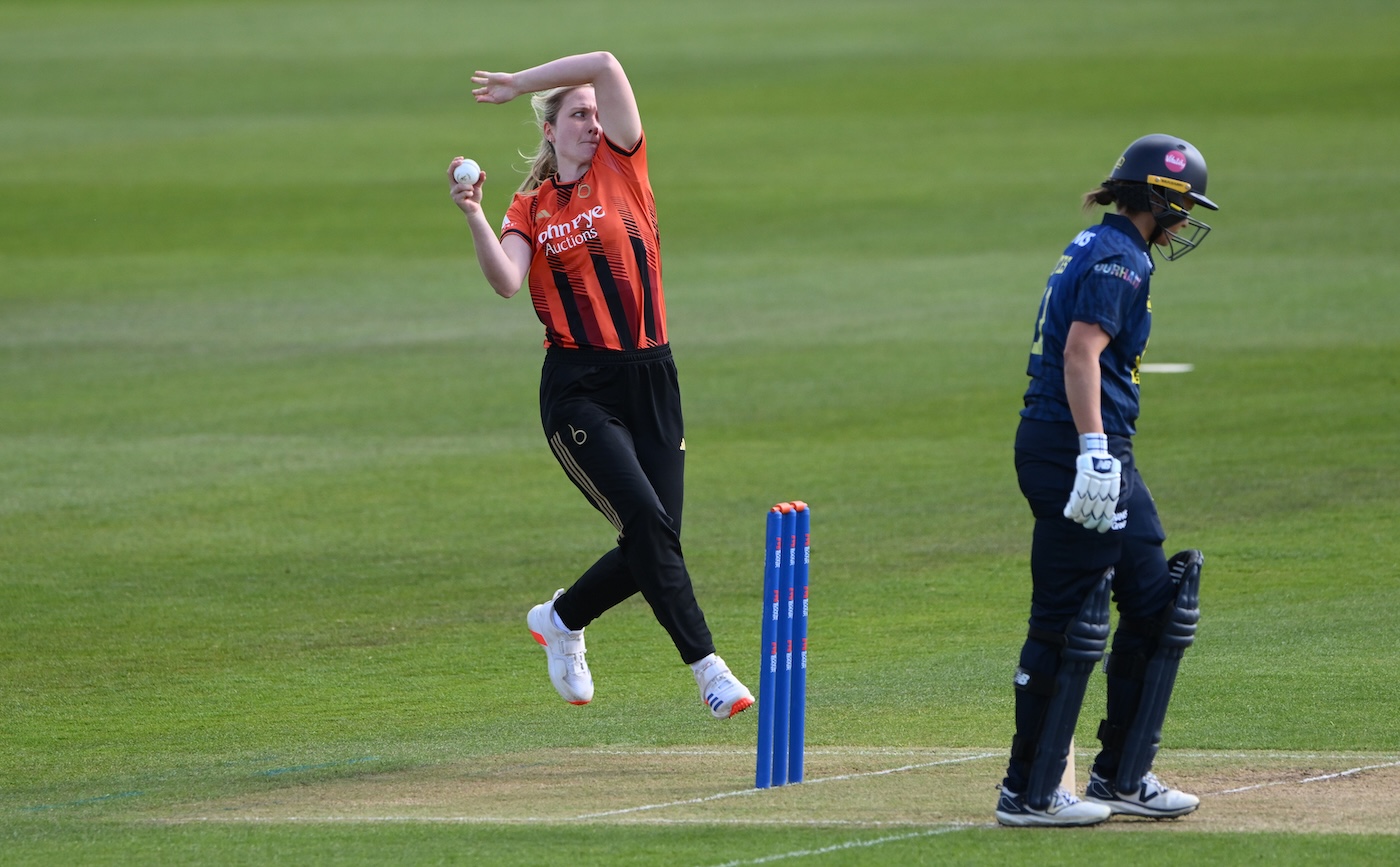
Charley Phillips Takes Maiden List A Five-Wicket Haul
The 22-year-old seamer Charley Phillips claimed her maiden List A five-wicket haul with figures of 5 for 49 as Blaze dominated Durham. Phillips’ performance came after Kirstie Gordon’s crucial 60, which provided the platform for the decisive victory.
Phillips’ breakthrough matters because England’s pace depth remains fragile. The 22-year-old’s 5-49 confirms what scouts already knew: she’s got genuine skill. What’s underreported is the timing—this haul comes amid contract negotiations for the domestic structure, and performances like hers will directly influence how many centrally-funded spots the ECB allocates to seam bowling. She’s made her case impossible to ignore.
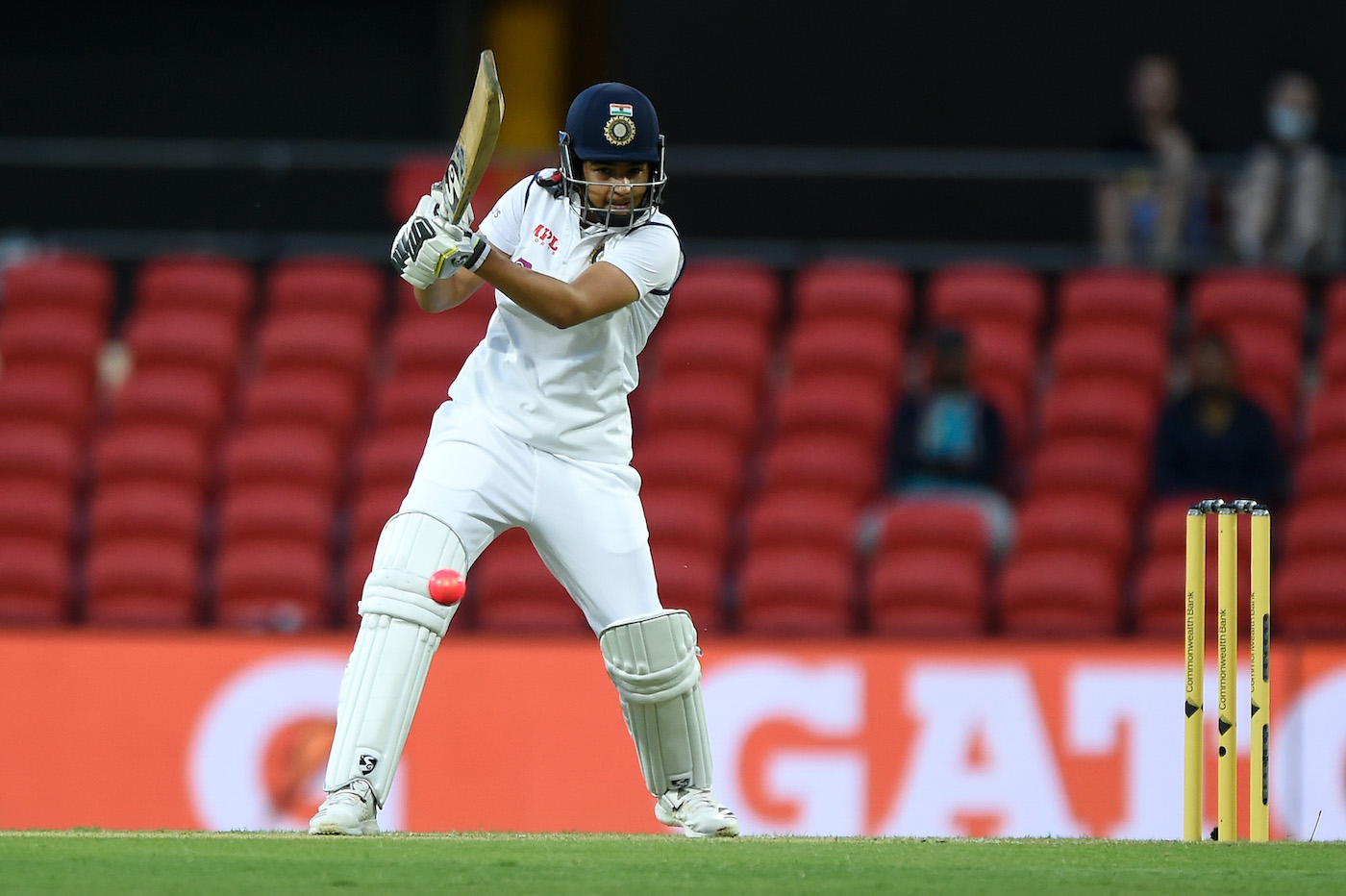
Nandani, Charani Called Up For England Test; Renuka Returns
India has selected Nandani and Charani for the Test series against England. Renuka and Bhatia make comebacks to the squad. Anushka will lead India A in T20s while Deol captains the one-day side against England A in the upcoming bilateral series.
India’s selection committee is gambling with experience by pairing two spinners—Nandani and Charani—against England’s batting lineup without proven match records at this level. Renuka’s return suggests injury concerns were overstated or politically managed. The real story: splitting captaincy between Anushka (T20) and Deol (ODI) for the A-team mirrors the senior squad’s fragmentation. These moves reek of experimentation masquerading as strategy, and England won’t punish India for it.
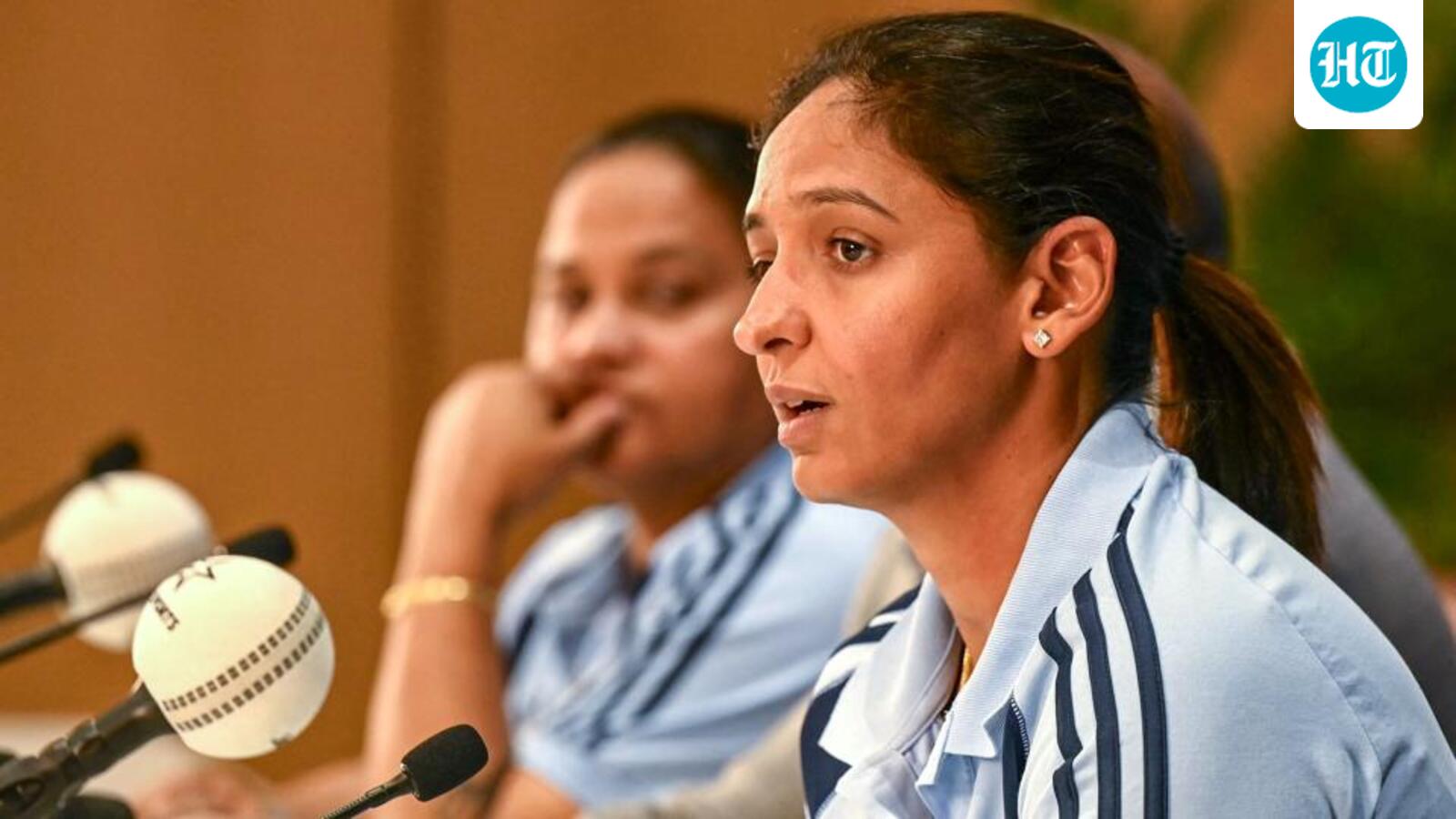
India Eyes Another World Cup Glory Under Kaur
Harmanpreet Kaur leads India into the T20 World Cup with focus on mental readiness and tactical improvements. The team aims to build on previous performances, emphasizing team cohesion and strategic adjustments for sustained success in the tournament.
India’s women’s team keeps talking about mental readiness while dodging the real problem: their middle-order collapse in crunch matches. Kaur’s leadership is solid, but the squad rotation strategy remains chaotic—selectors can’t decide between experience and youth. The T20 format punishes indecision. Unless India sorts their batting order below four, another World Cup final exit awaits them.
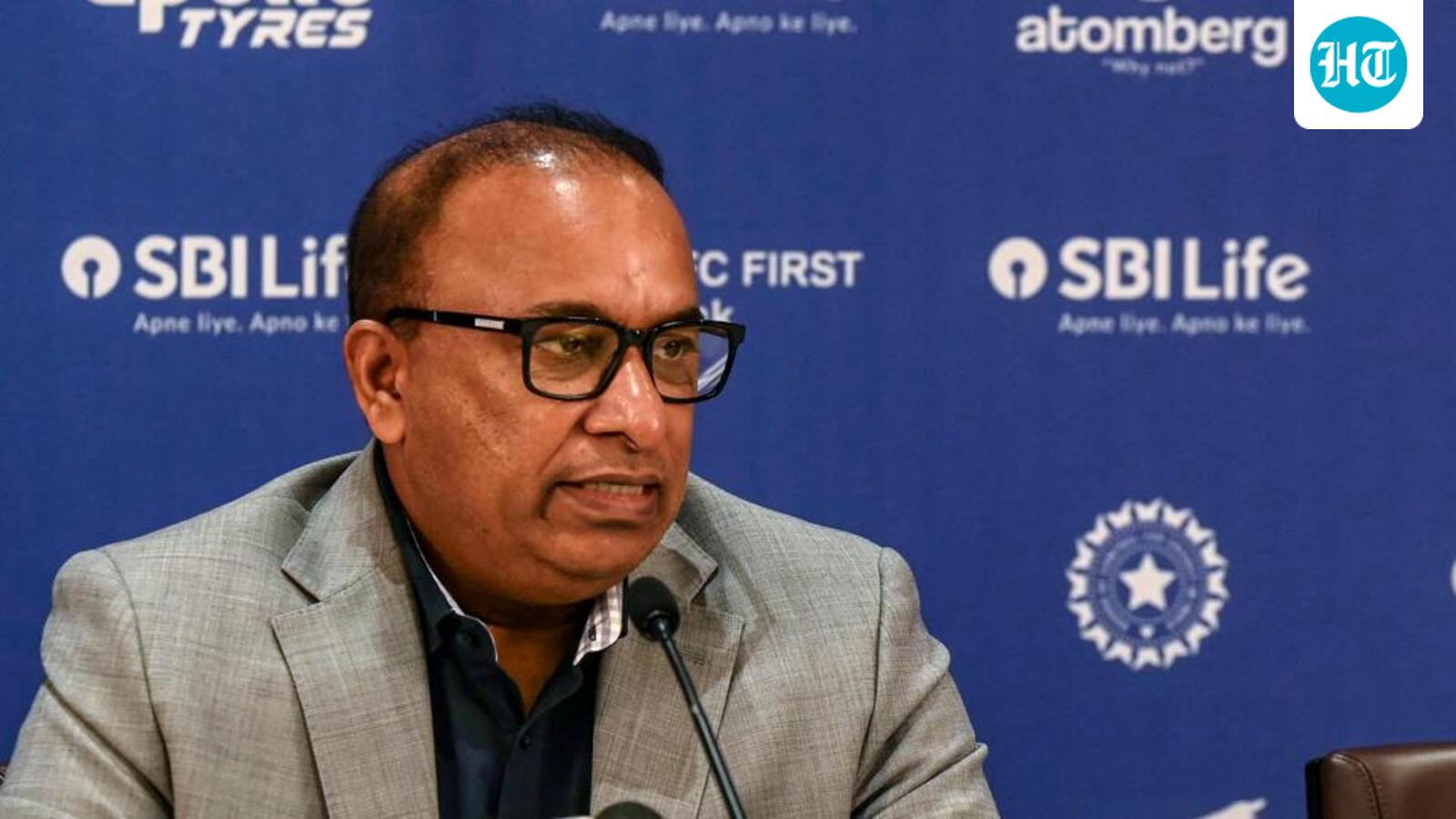
BCCI Won’t Review Impact Player Rule Yet, Says Saikia
BCCI secretary Saikia has confirmed there’s no immediate review of the Impact Player rule in the IPL. The board attributes the high-scoring matches to this strategic substitution rule rather than bat-ball imbalance concerns. Playoff venues will be announced soon.
The BCCI is dodging accountability by blaming the Impact Player rule for IPL’s runaway scoring. That’s convenient deflection. The real problem: pitches are deteriorating faster, boundaries keep shrinking, and franchise owners resist ball-friendly surface prep because high scores drive viewership and betting revenue. By refusing a review, the board protects its commercial interests while pretending tactics explain what’s actually structural decay.
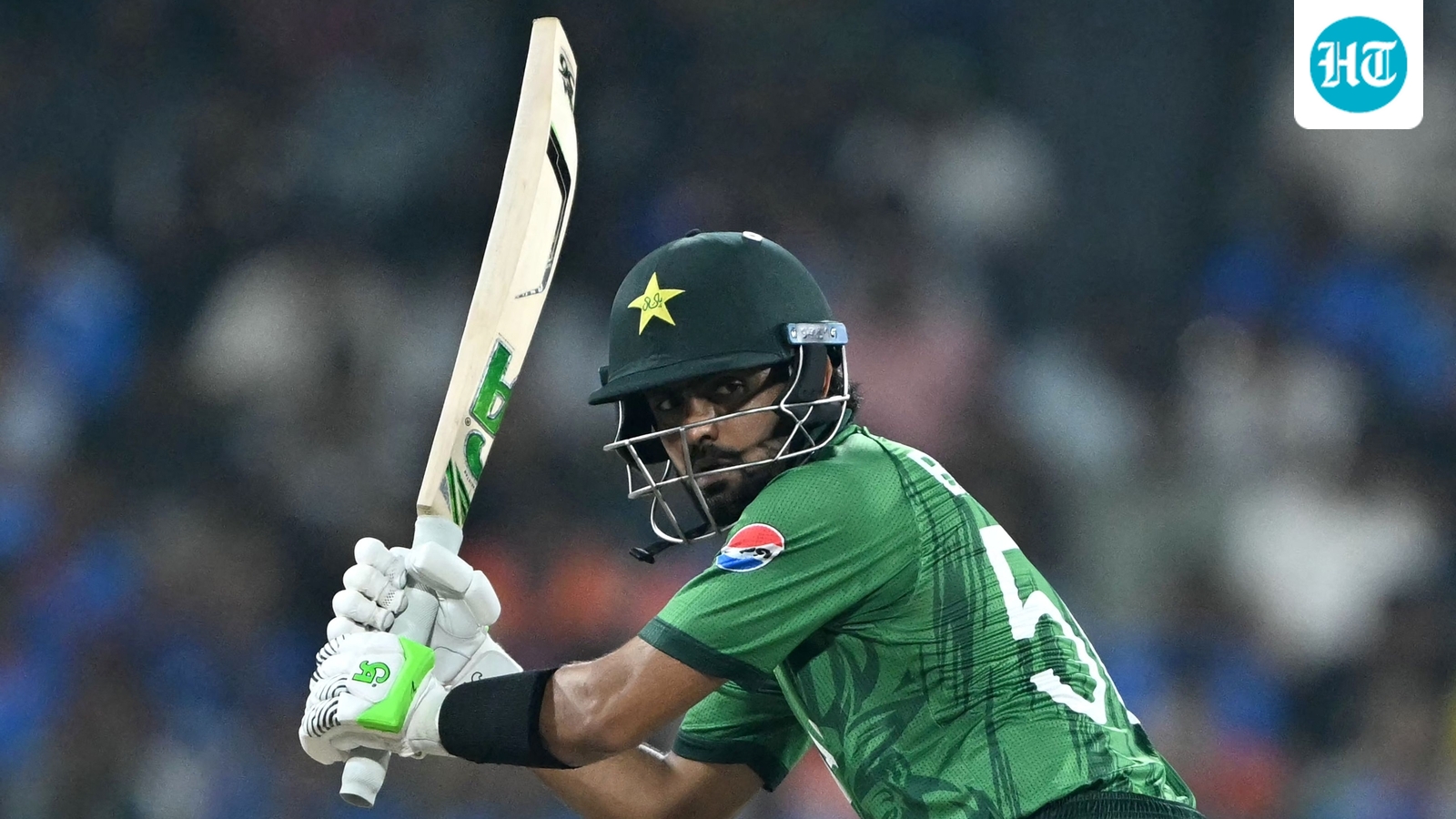
Babar Azam Opens Door to Pakistan Captaincy Return
Babar Azam addresses speculation about returning as Pakistan captain, suggesting he would consider the role if specific circumstances align. The star batter’s comments come amid discussions about his future involvement in national team leadership following his previous captaincy tenure.
Babar’s carefully hedged comeback statement is classic non-committal positioning. He’s keeping his options open while Pakistan’s selection committee remains dysfunctional. The real story: whether the PCB will restructure the captaincy format itself, given their rotation policy created this mess in the first place. Until Pakistan fixes its broken governance, Babar’s conditional interest changes nothing. This is calculated ambiguity masking institutional failure.