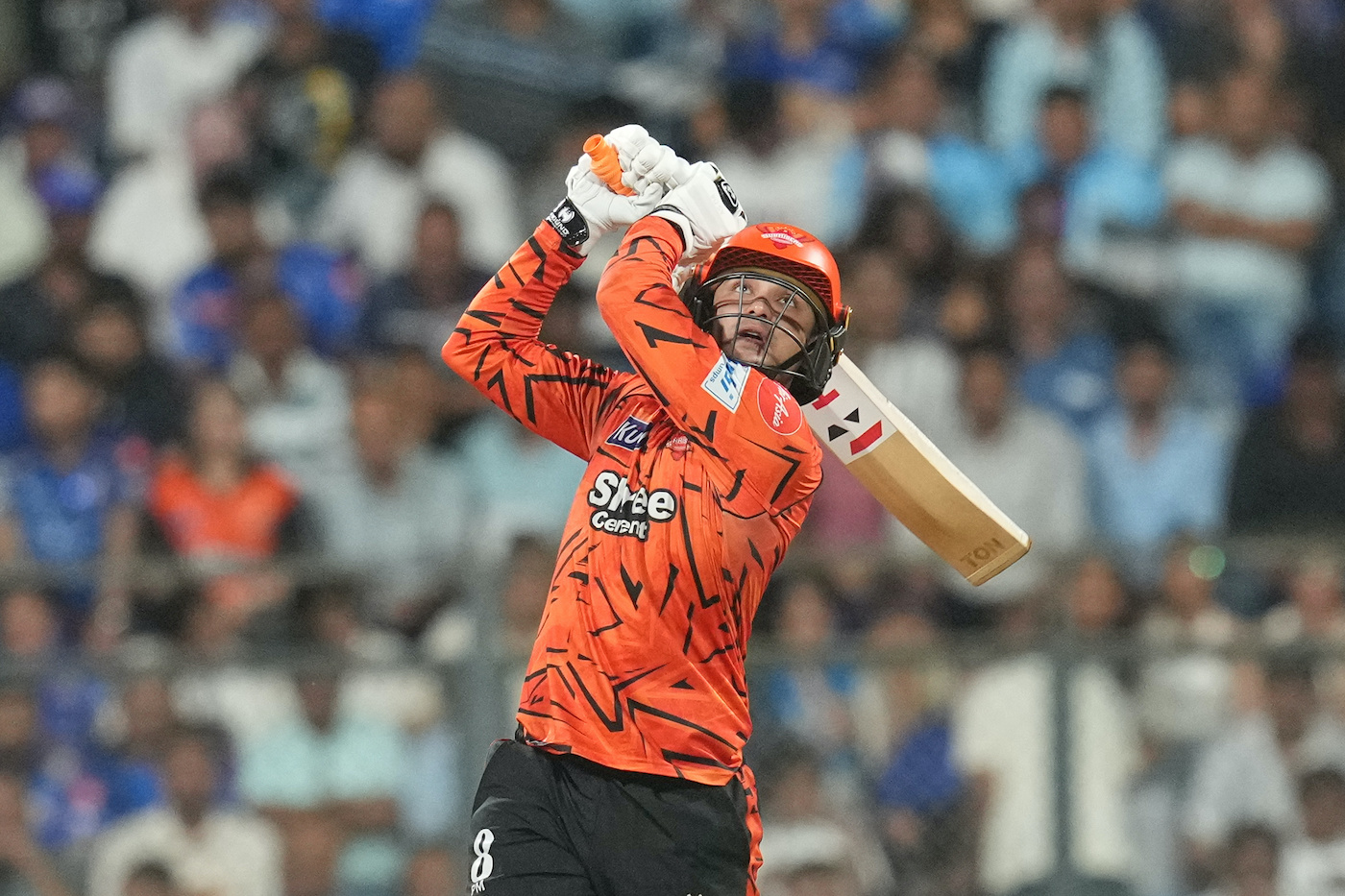
Malinga Leads Purple Cap; Abhishek, Klaasen Top Runs
Eshan Malinga has claimed the Purple Cap in IPL 2026, establishing himself as the leading wicket-taker. Meanwhile, Abhishek Sharma and Heinrich Klaasen occupy the top positions in the Orange Cap standings for most runs scored. The race intensifies as franchises battle for domestic and international star performances.
Malinga’s Purple Cap haul masks a deeper problem: India’s bowling depth is still fragile. With Abhishek and Klaasen dominating runs, overseas batsmen are dictating terms in Indian conditions. The real story isn’t competition—it’s that domestic fast bowlers can’t consistently trouble premium international hitters. Unless franchises invest in bowling talent during mega auctions, this imbalance will define IPL 2026. Indian cricket has a bowling crisis.
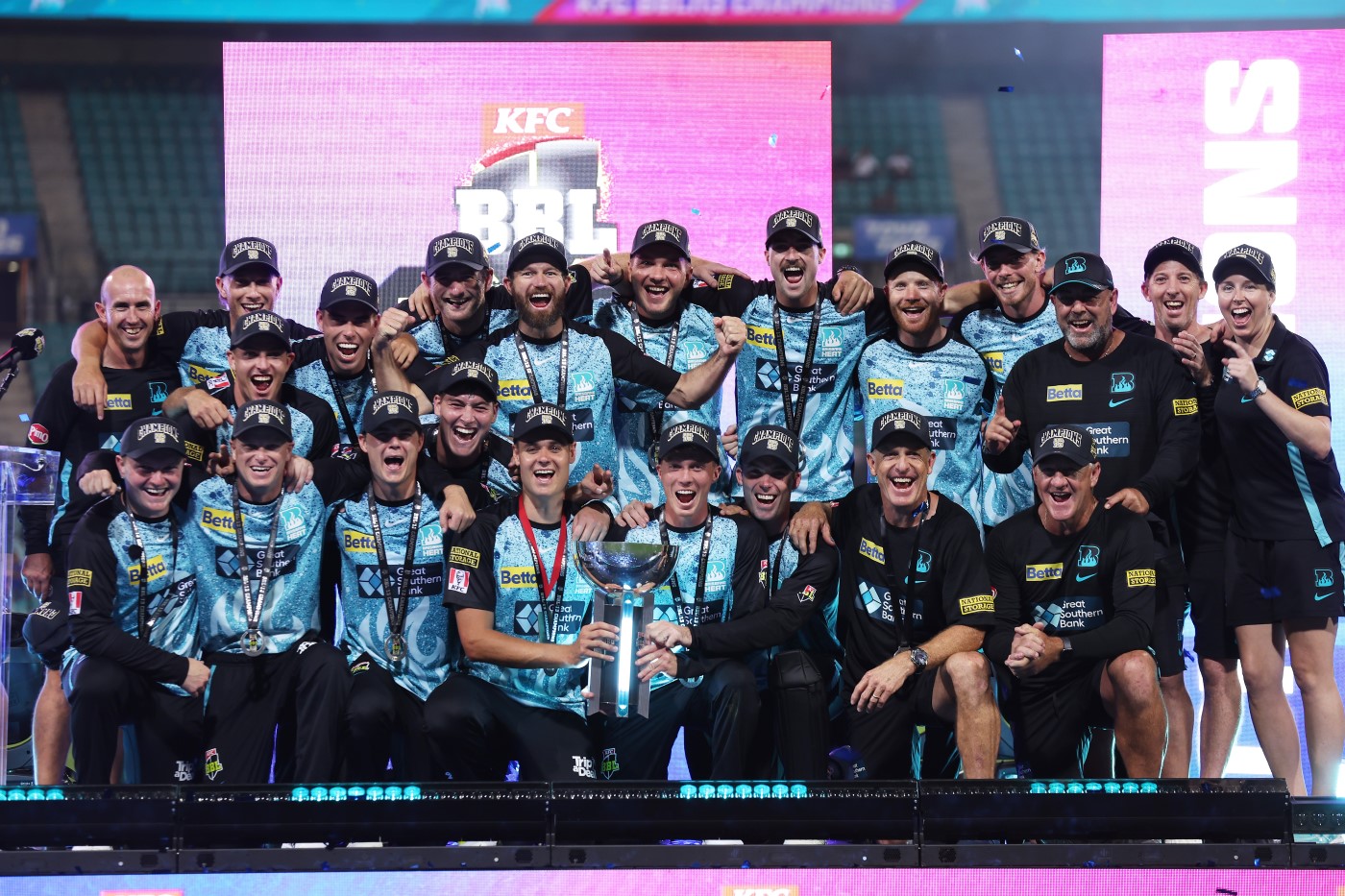
Queensland Joins NSW In Rejecting BBL Privatisation Plan
Cricket Australia chief executive Todd Greenberg confirmed CA will explore alternative models for the Big Bash League after Queensland joined New South Wales in rejecting privatisation. With no consensus among six states, Greenberg acknowledged the challenging landscape ahead for the domestic T20 competition’s future structure.
CA’s privatisation dream is dead, killed by state parochialism. Queensland and NSW rejecting the model exposes the real problem: states fear losing control of grassroots pathways and academy pipelines to private operators. With six states needing consensus, Greenberg’s talk of “alternatives” is management-speak for defeat. The BBL needs structural reform, but CA lacks the political capital to force it through. Expect years of stalled discussions while the competition stagnates.
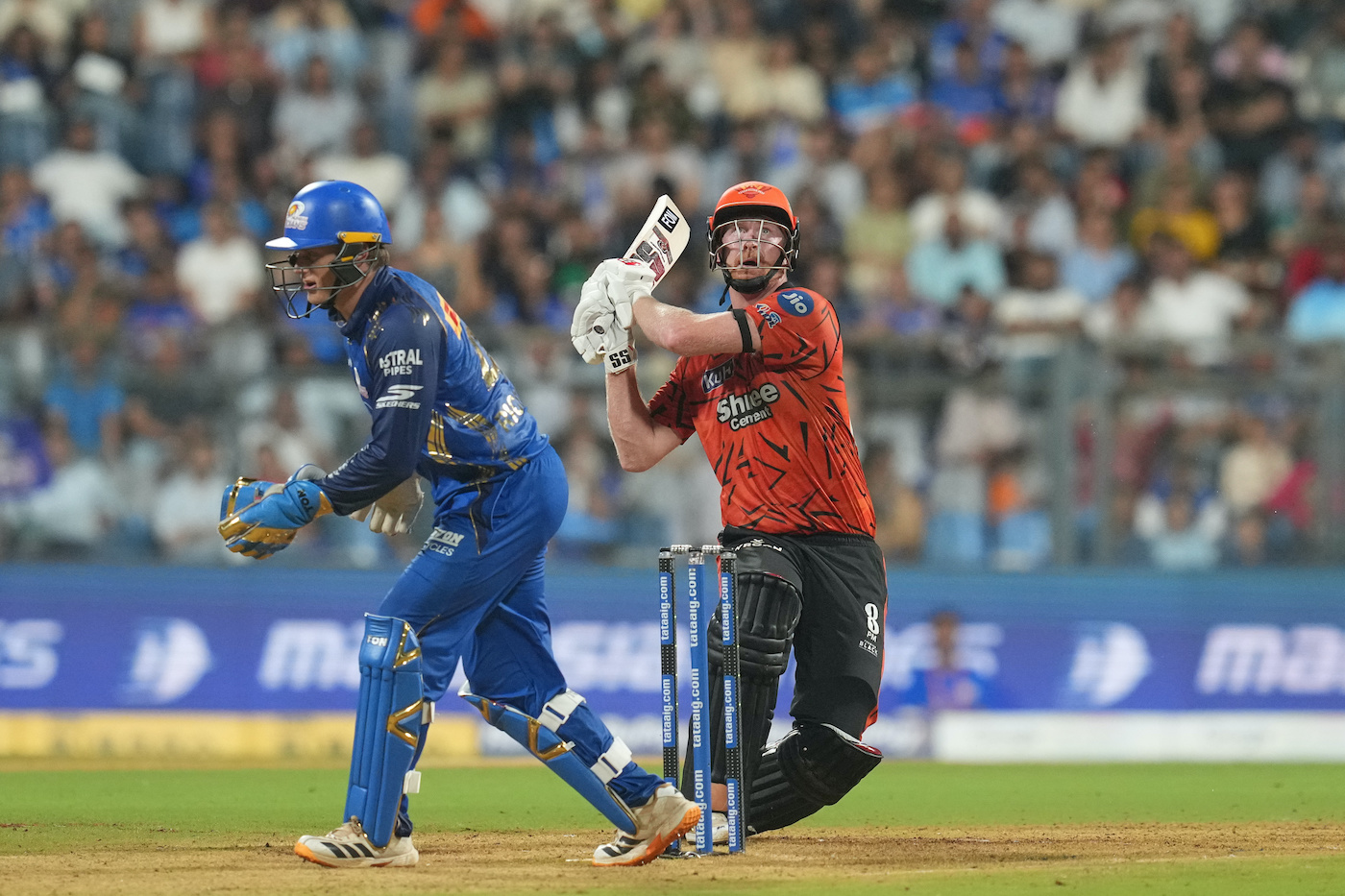
IPL Big Business, Fair Contests Bad For It: Muralidaran
Muthiah Muralidaran says IPL’s commercial success depends on entertainment over fair play. Fair wickets bore T20 followers who crave fours and sixes, making spectators lose interest in balanced contests.
Muralidaran’s right—the IPL prioritizes spectacle over sporting integrity. Fair pitches mean fewer boundaries, lower viewership, lower ad rates. Franchise owners have zero incentive to demand balanced surfaces when chaotic batting breeds betting volatility and social media engagement. The League’s economic model is structurally hostile to competitive cricket. Until broadcasters reward close contests over carnage, expect pitches engineered for entertainment. The IPL isn’t fixing cricket’s problems; it’s monetizing them.