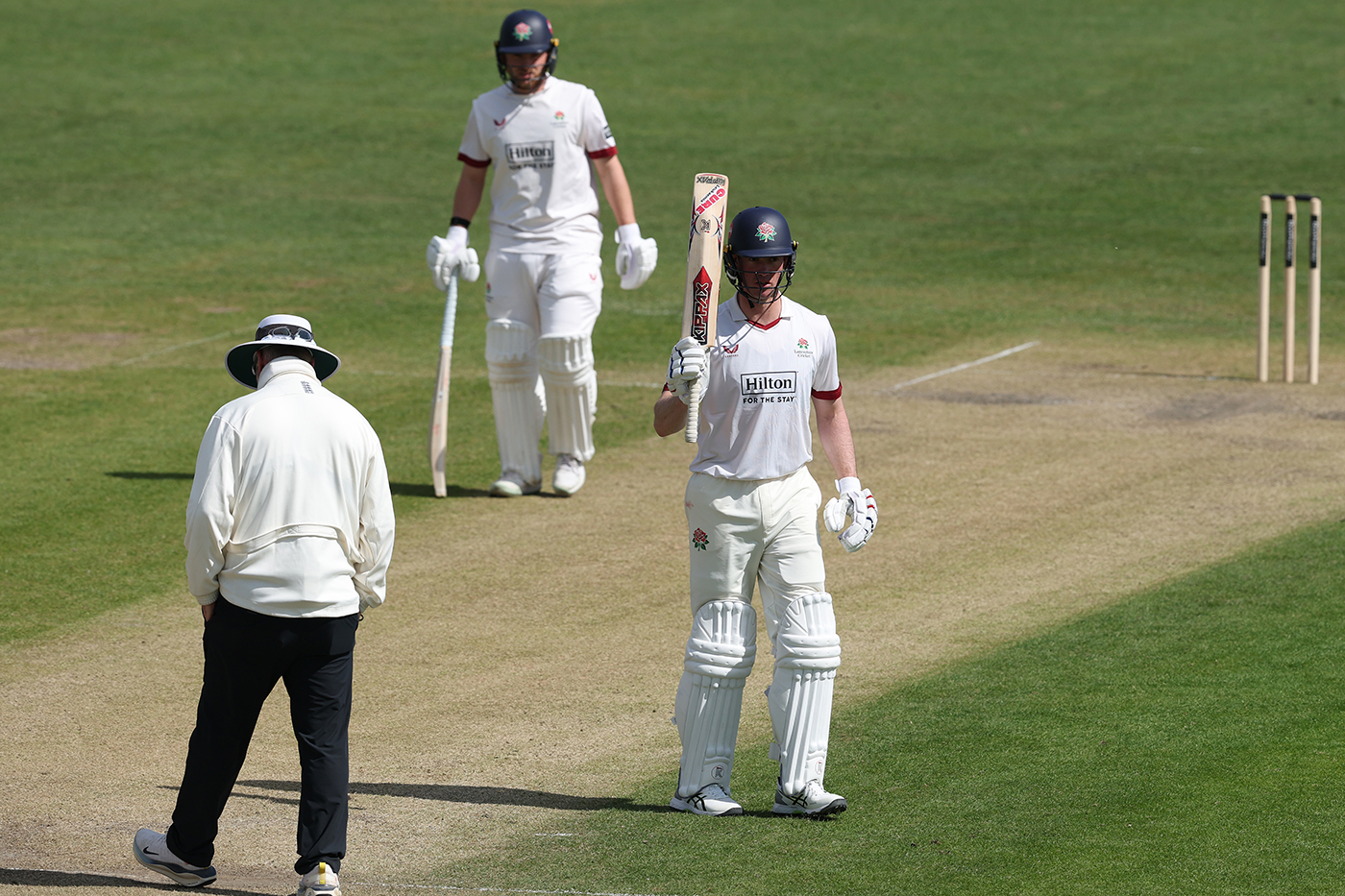
Coughlin’s Explosive 36-Ball Fifty Lights Up Southport
Lancashire’s Coughlin smashed a brilliant fifty off just 36 balls to light up Southport, but a draw appears inevitable after rain consumed valuable playing time. The explosive innings showcased aggressive batting, though weather interruptions have significantly impacted match progression and run-scoring opportunities.
Rain robbed us of a proper contest at Southport. Coughlin’s 36-ball fifty was genuinely explosive—the kind of innings that wins T20s—but we’ll never know if Lancashire could’ve built something dangerous. Worth noting: this draw costs both sides crucial points in a tight table race. One brilliant cameo doesn’t compensate for a washout. Weather delays are cricket’s most frustrating villain, and they’ve struck again.
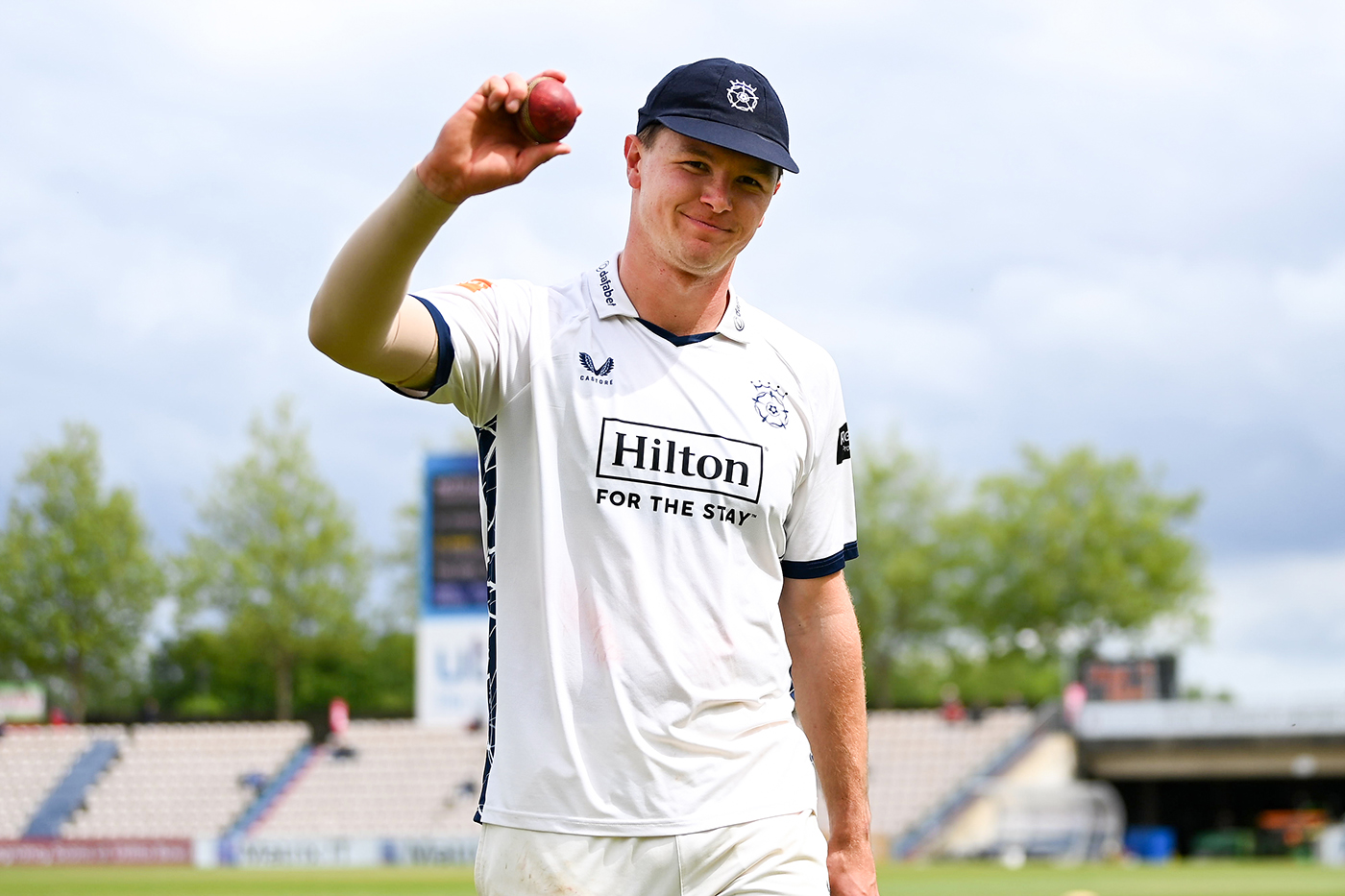
Baker’s Five-Wicket Haul Overshadowed By Hampshire’s Collapse
Sonny Baker took five wickets on his Test debut, but Hampshire’s second innings crumbled as they lost four wickets to build a slender 67-run lead. The home side’s batting struggles continue despite the bowling performance, leaving them vulnerable heading into the final innings.
Hampshire’s batting order is fundamentally broken. Baker’s five-wicket debut is impressive, but it masks a deeper rot: the home side can’t build innings when it matters. Their second-innings collapse suggests selection chaos—too many untested players at critical positions. With just 67 runs separating the sides, Hampshire have handed their opponent the final-innings advantage on a platter. This isn’t about one good bowling performance salvaging bad luck. This is structural failure.
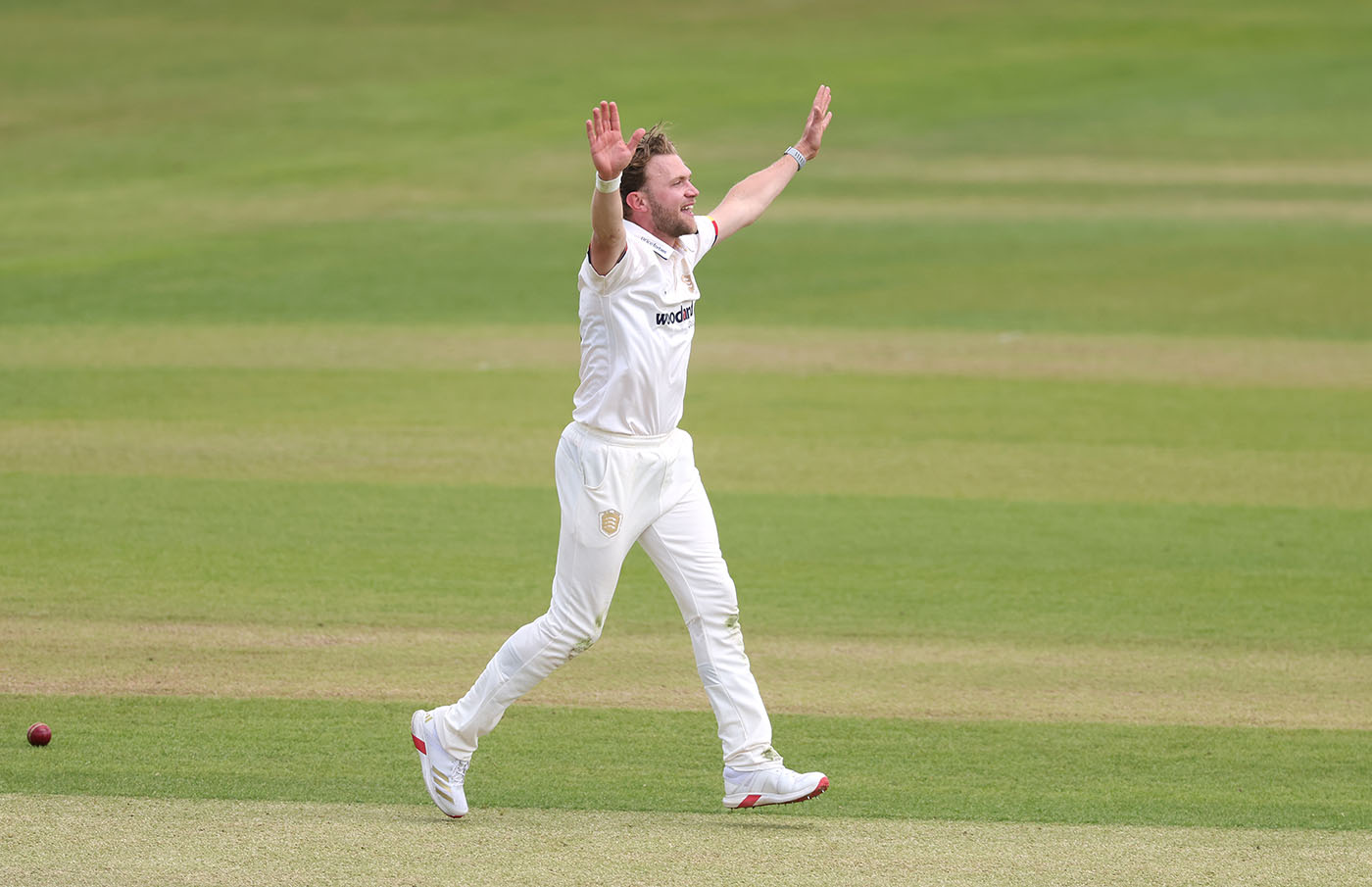
Cook And Snater Demolish Leicestershire For Just 60
Leicestershire collapsed spectacularly in their second innings, scoring just 60 runs as Essex claimed a dominant victory. Sam Cook and Shane Snater led the demolition with incisive bowling performances. This marks Essex’s third win of the season, leaving Leicestershire in disarray.
Leicestershire’s 60-run capitulation exposes catastrophic batting fragility rather than exceptional bowling. Cook and Snater were good; the visitors were abysmal. What’s damning is this collapse arrived after genuine first-innings resistance—suggesting structural mental weakness rather than a bad day. Essex’s third win matters less than Leicestershire’s inability to compete twice in succession. This isn’t fixable with a team-talk. Their batting order needs root-and-branch reconstruction.
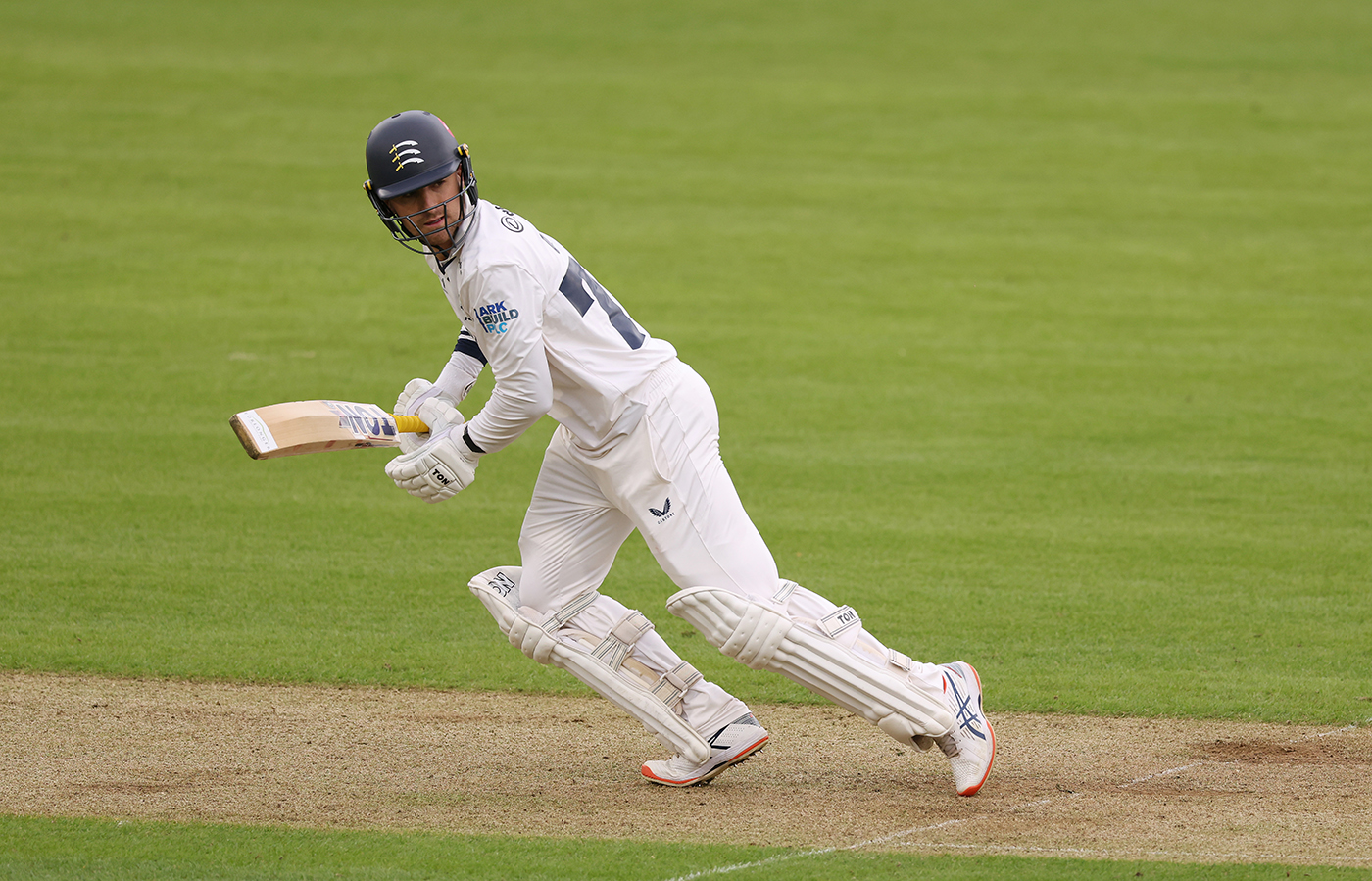
Du Plooy, Falconer Steady Middlesex Against Derbyshire
Du Plooy and Falconer’s fourth-wicket century partnership has moved Middlesex into a stronger position in their County Championship clash against Derbyshire. Despite the significant stand, the visitors’ hopes of saving the game remain slim as they chase an unlikely target.
Du Plooy and Falconer’s partnership is admirable but academically interesting—Derbyshire’s position remains mathematically dead. What matters here is whether Middlesex’s bowling attack can finish this cleanly or if sloppy execution costs them precious championship points. The visitors’ slim hopes depend entirely on weather intervention. Middlesex should win this comfortably, and anything less would constitute a genuine failure.
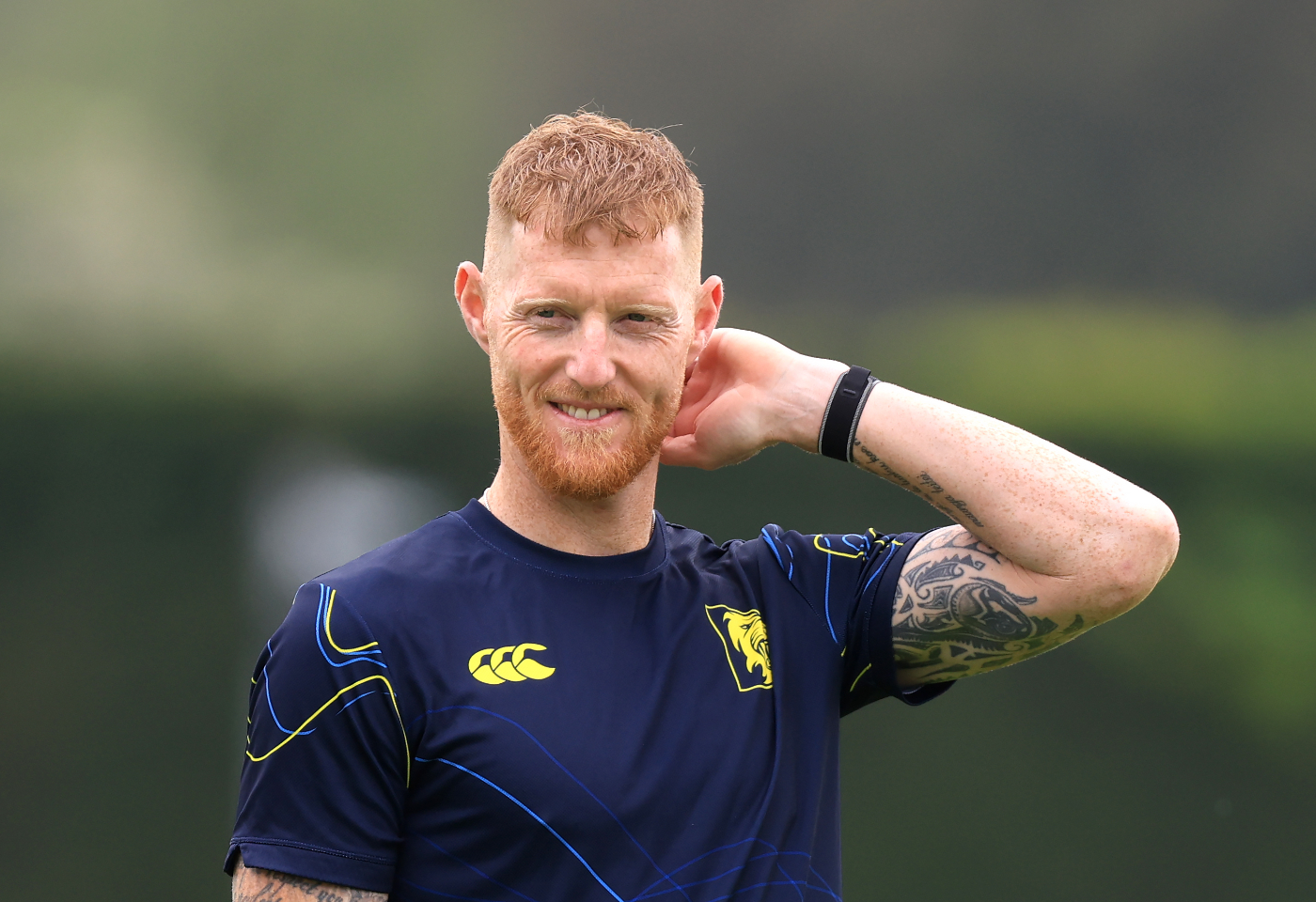
Stokes Makes Do With Net Practice As Rain Stops Play
England captain Ben Stokes was restricted to net sessions at Beckenham after persistent rain prevented match action. Water under the covers forced officials to abandon play, leaving Stokes without crucial time in the middle ahead of upcoming fixtures.
Rain robbed England of vital preparation time when they can’t afford to waste any. Stokes needs middle-order practice, not net bowling. The real concern: England’s fixture congestion means no rescheduled warm-up, forcing the captain into matches under-cooked. Beckenham’s poor drainage also exposed planning failures. Net sessions simply don’t replicate match intensity. Stokes will enter upcoming games under-prepared, and that’s a genuine competitive disadvantage we should’ve prevented.
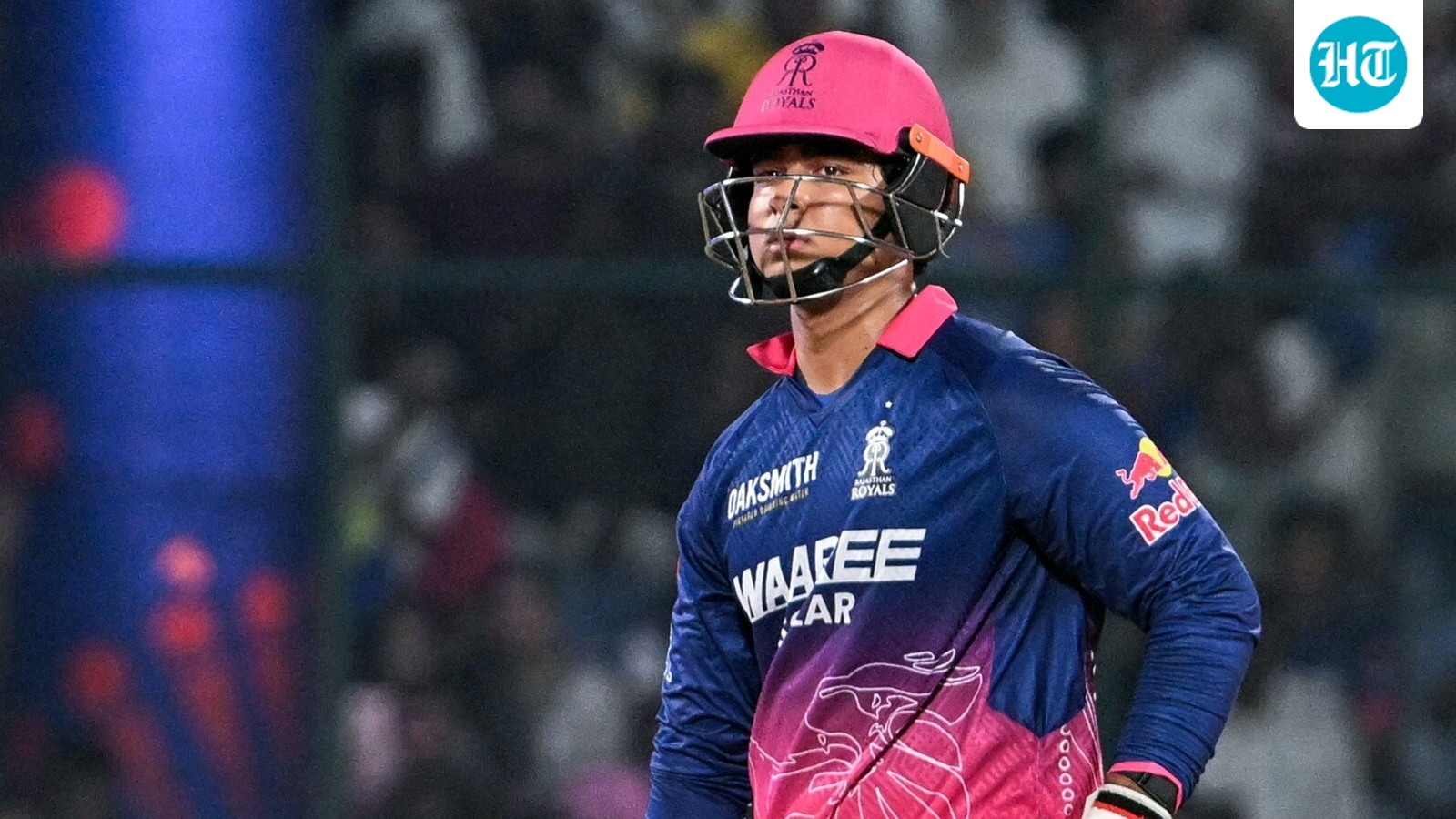
Sooryavanshi Yet to Deliver Despite Clear Batting Approach
Kumar Sangakkara highlights Vaibhav Sooryavanshi’s natural batting instinct and situational clarity as standout qualities. However, the young batter hasn’t translated these strengths into consistent match contributions yet, suggesting expectations remain high despite limited opportunities for detailed discussions.
Sooryavanshi’s problem is simple: talent without output. Sangakkara’s praise means nothing if the bat doesn’t perform when it matters. What’s missing from the narrative is domestic performance data—has he actually dominated Ranji Trophy cricket, or are IPL scouts getting ahead of themselves? Young players need runway, sure, but not infinite runway. He needs runs now or risk becoming another promising name that faded.
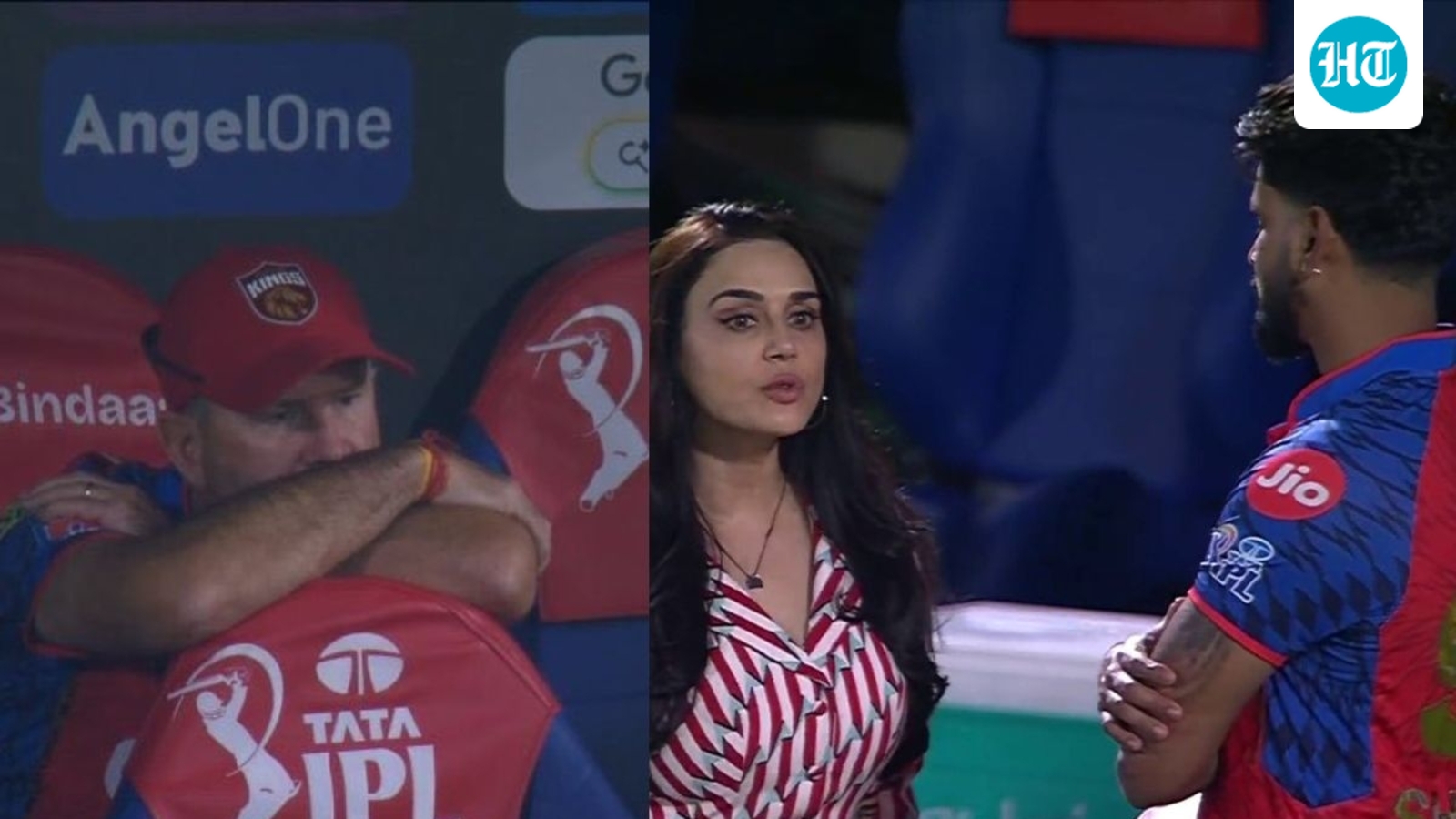
Ponting Dejected As Punjab Kings Suffer Sixth Straight Loss
Ricky Ponting sat visibly frustrated in the dugout following Punjab Kings’ sixth consecutive defeat. The loss prompted intense discussions between captain Shreyas Iyer and co-owner Preity Zinta, signaling growing tension within the franchise as inconsistency continues to plague their campaign.
Punjab Kings are a structural disaster, not a momentary slump. Six straight losses expose the real problem: Ponting’s authority is undermined by ownership meddling. Zinta’s dugout meetings with Iyer suggest decision-making chaos—who actually calls the shots here? Until the franchise establishes a clear power hierarchy, no coach survives this circus. Ponting deserves better, but Punjab Kings deserve exactly what they’re getting.