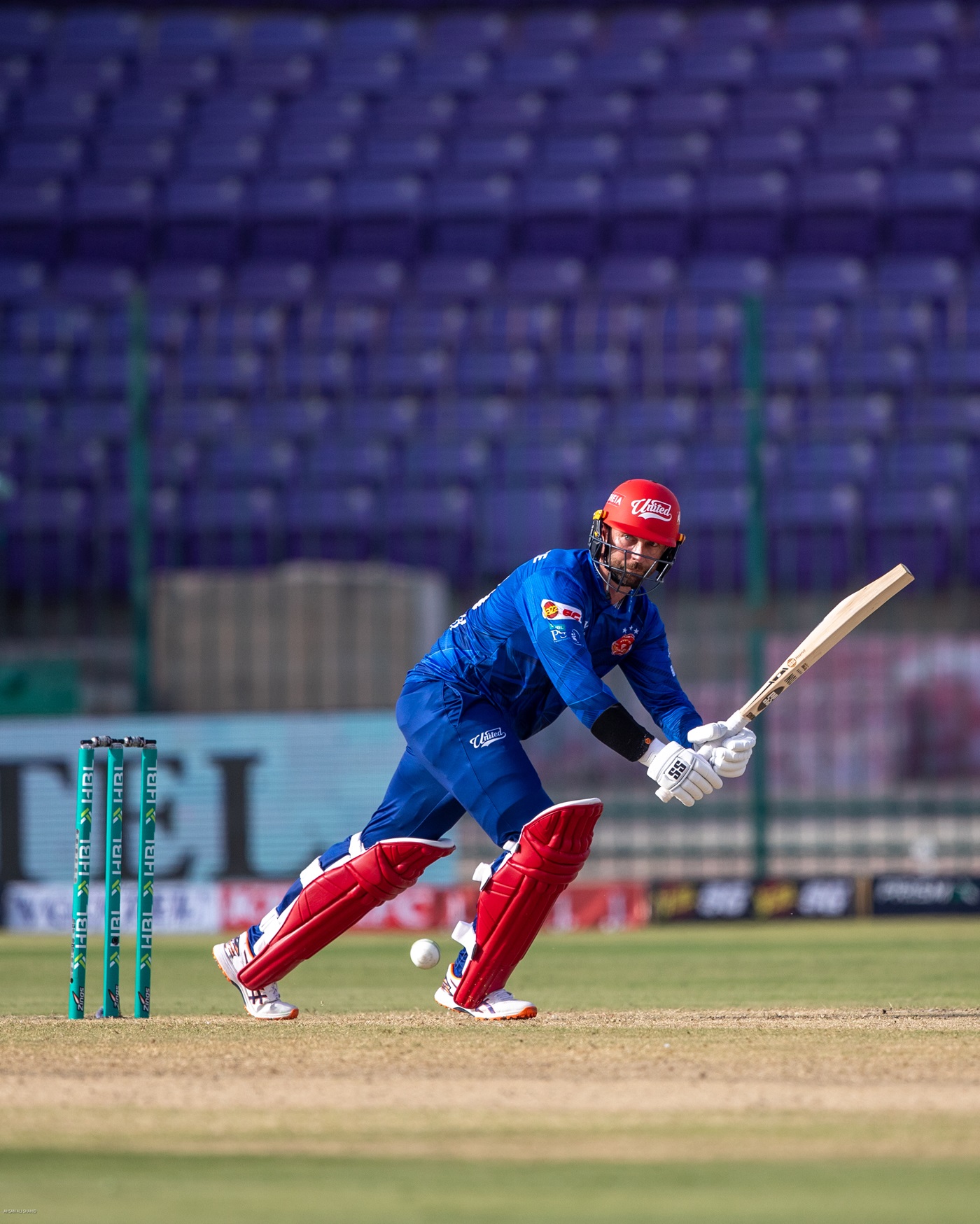
Conway Leads United Rout As Spinners Dismantle Qalandars
United’s spinners combined effectively to bundle out Qalandars for just 100 runs. Conway then spearheaded a devastating chase, guiding United to victory in merely 10.1 overs. The dominant performance showcased United’s all-around cricket prowess in what proved to be a complete mismatch.
Qalandars’ batting collapse exposes a deeper recruitment problem that won’t vanish with one bad day. United’s spinners didn’t conjure magic—Qalandars simply lacked the technical preparation to face turning pitches, suggesting their coaching staff failed basic match planning. Conway’s 10-over demolition merely highlighted what should’ve been obvious: Qalandars need a complete overhaul of their batting infrastructure, not fresh excuses. This wasn’t cricket; it was negligence on display.
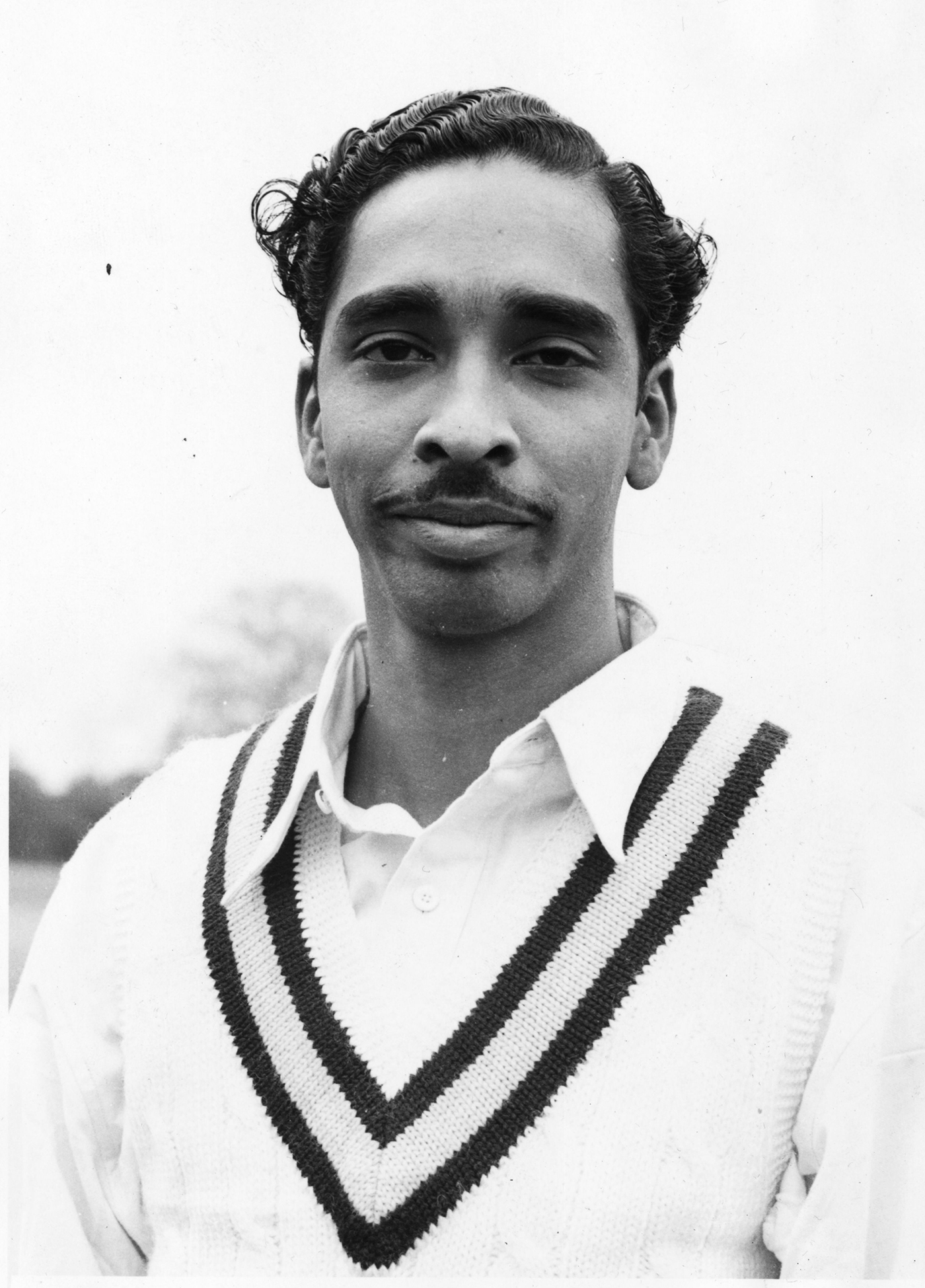
India’s Oldest Test Cricketer CD Gopinath Dies At 96
CD Gopinath, India’s oldest living Test cricketer, passes away at 96. He was the last surviving member of India’s historic XI that secured the nation’s first Test victory against England in Chennai during 1952, a landmark moment in Indian cricket history.
We’ve lost a living bridge to Indian cricket’s founding mythology. CD Gopinath’s death ends a direct link to that 1952 victory—the moment independence truly mattered on a cricket field. What gets overlooked: he played when Indian cricket had zero infrastructure, no financial backing, no certainty it would survive. That makes his generation’s achievement categorically harder than anything since. Cricket owes him more than obituaries.
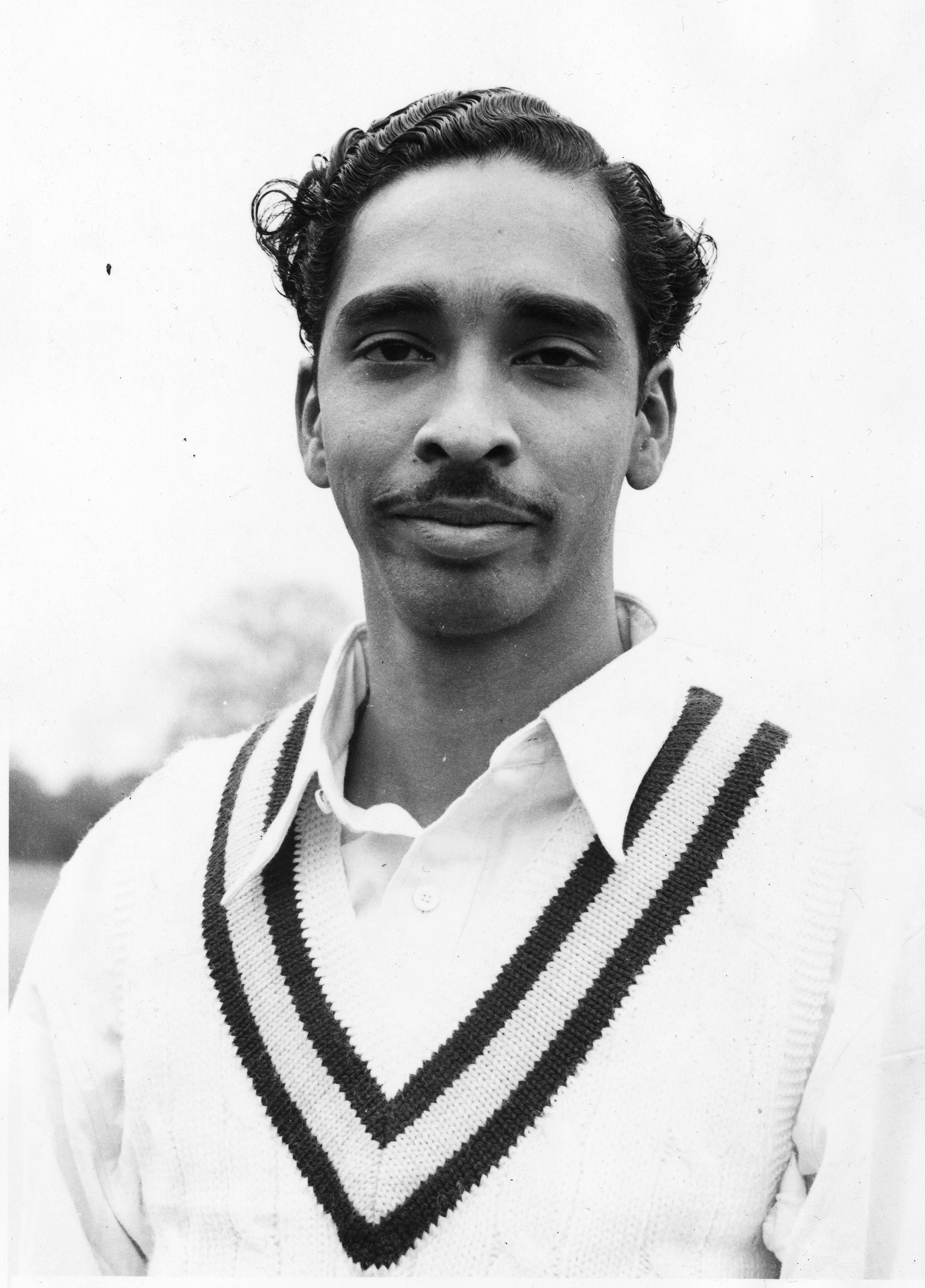
India’s Oldest Test Cricketer CD Gopinath Dies At 96
CD Gopinath, India’s oldest living Test cricketer, passes away at 96. He was the last surviving member of the XI that achieved India’s first-ever Test victory against England in Chennai in 1952, marking a historic milestone in Indian cricket history.
We’ve lost a living link to Indian cricket’s most pivotal moment. CD Gopinath’s death closes a chapter—he was the last survivor of India’s first Test win against England in 1952, a victory that fundamentally altered how the colonized nation saw itself. What’s often forgotten: that win came without a single Indian-born fast bowler of genuine pace. We failed to build on that foundation for decades. His passing underscores how little institutional memory cricket boards actually preserve.
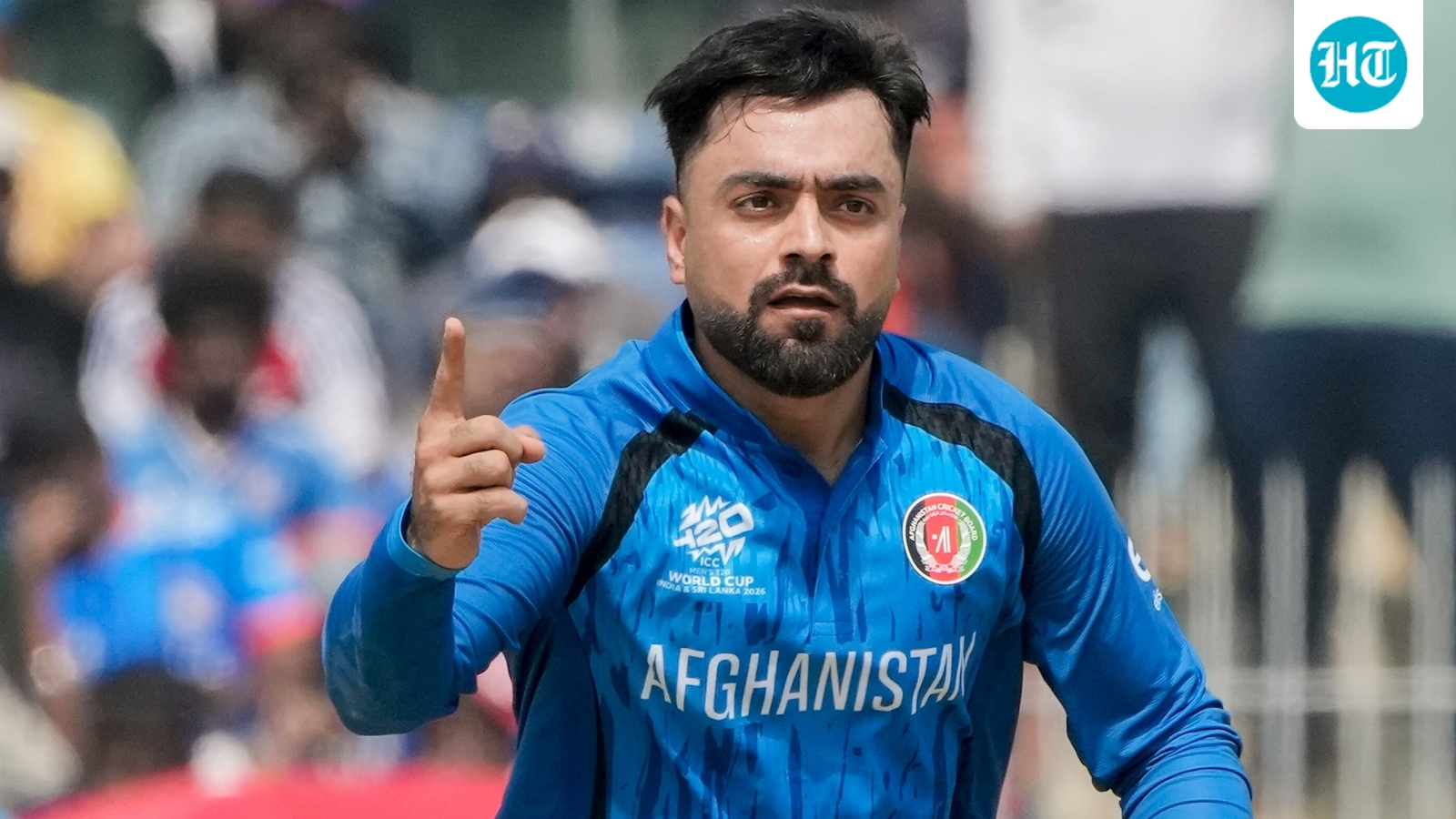
Rashid Khan Prioritises White-Ball Cricket Over Test Matches
Afghanistan’s Rashid Khan has expressed uncertainty about his Test cricket availability due to workload management concerns. The star all-rounder is shifting focus towards white-ball formats, signalling potential unavailability for future Test assignments as he balances international commitments.
Rashid Khan is choosing money over Test cricket, and Afghanistan’s longest format can’t afford to lose him. The real pressure here isn’t workload—it’s the IPL’s financial gravity pulling every elite player toward T20 riches. Afghanistan’s Test program, already fragile, loses its best ambassador. This is a calculated career decision dressed up as wellness management, and it weakens Test cricket’s already precarious global foundation.
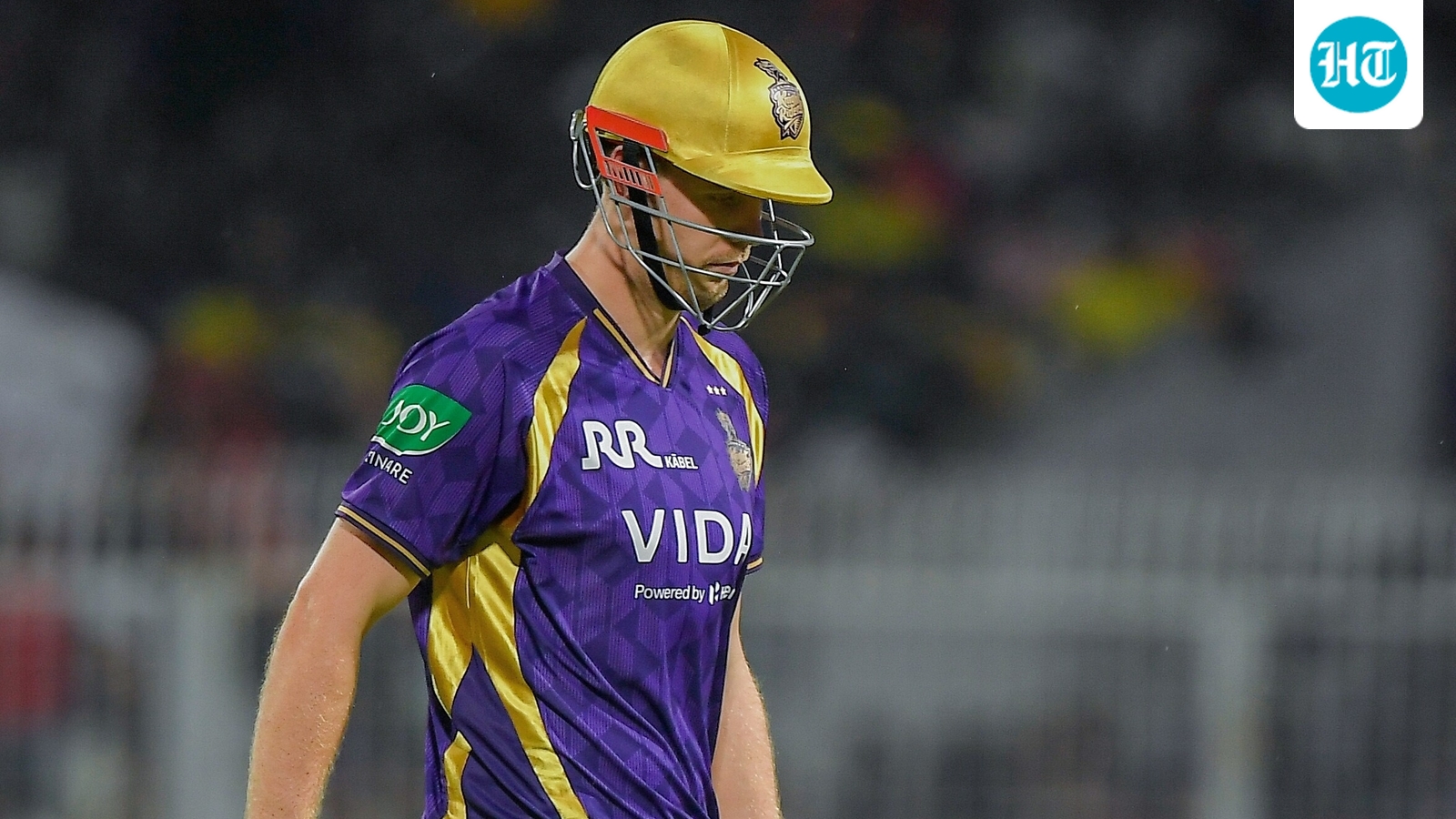
KKR Urged To Drop Cameron Green Against LSG
Cameron Green’s poor form has drawn criticism with just 24 runs across three innings at an average of 8.00. KKR is being advised to bench the Australian batter and introduce New Zealand’s opening pair instead for the upcoming LSG clash.
Cameron Green’s auction price haunts KKR’s selection calls. Dropping him feels like admitting a ₹3.6 crore mistake mid-tournament, yet keeping a batter averaging 8.00 costs matches. The real issue: KKR built their middle order around Green’s all-rounder value, not pure batting. Benching him exposes that planning failure. Still, LSG won’t care about KKR’s ego. Drop him now or lose the game—there’s no middle ground here.
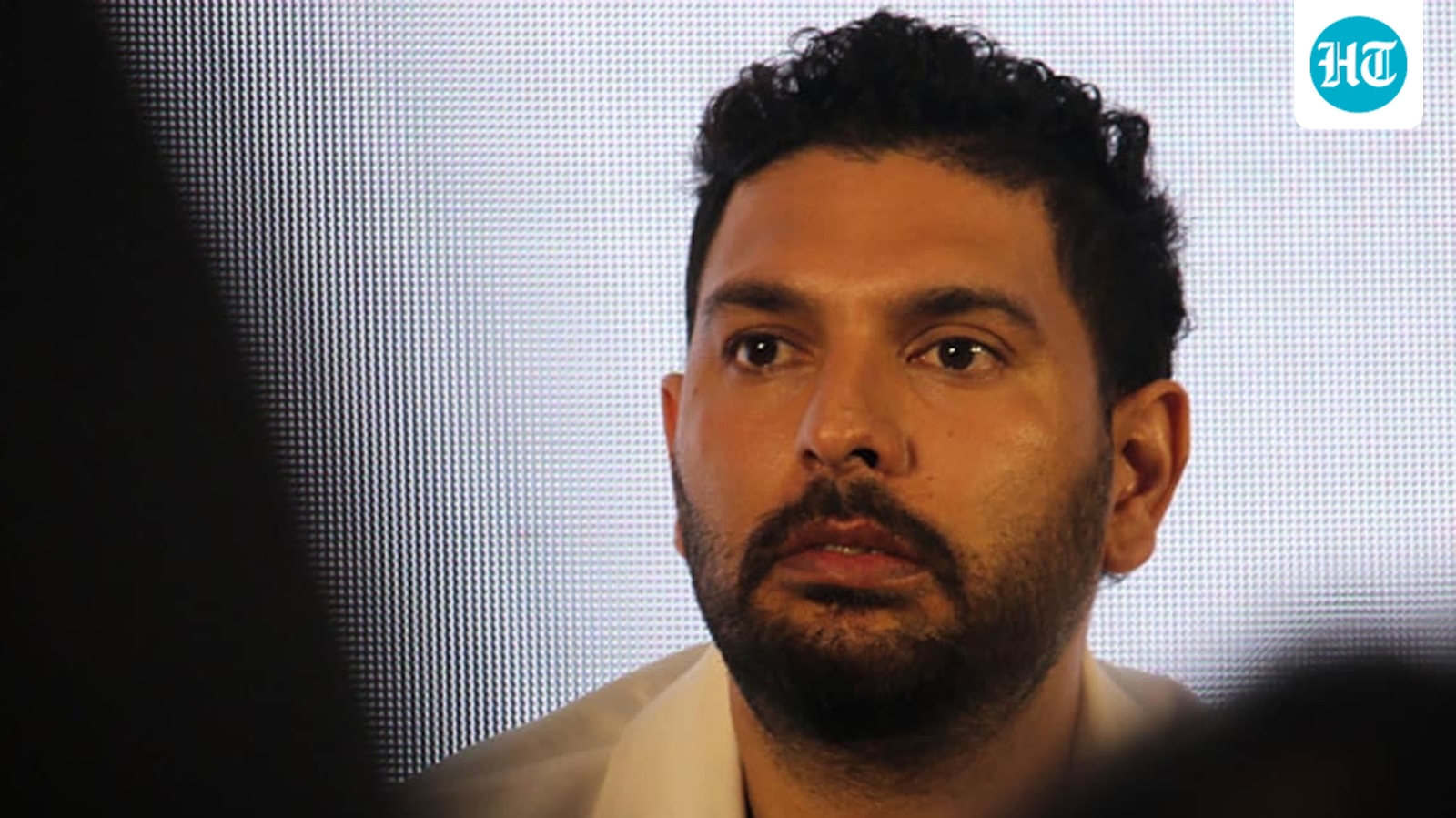
Yuvraj Singh: Ready to Die for Test Cap After Ganguly’s Retirement
Yuvraj Singh revealed he waited 7 years for his Test opportunity after Sourav Ganguly’s retirement. Diagnosed with cancer in 2011-12, doctors gave him 3-6 months to live without treatment, forcing him to choose between cricket and his health.
Yuvraj’s willingness to sacrifice everything for Test cricket exposes Indian cricket’s brutal hierarchy—Ganguly’s shadow loomed so large it cost a generational talent seven years. What’s ignored: his cancer diagnosis proved the selectors’ patience was vindication, not mercy. They finally picked him when he’d already beaten death itself. That’s not inspirational; it’s indictment of a system that waits for catastrophe to recognize talent.
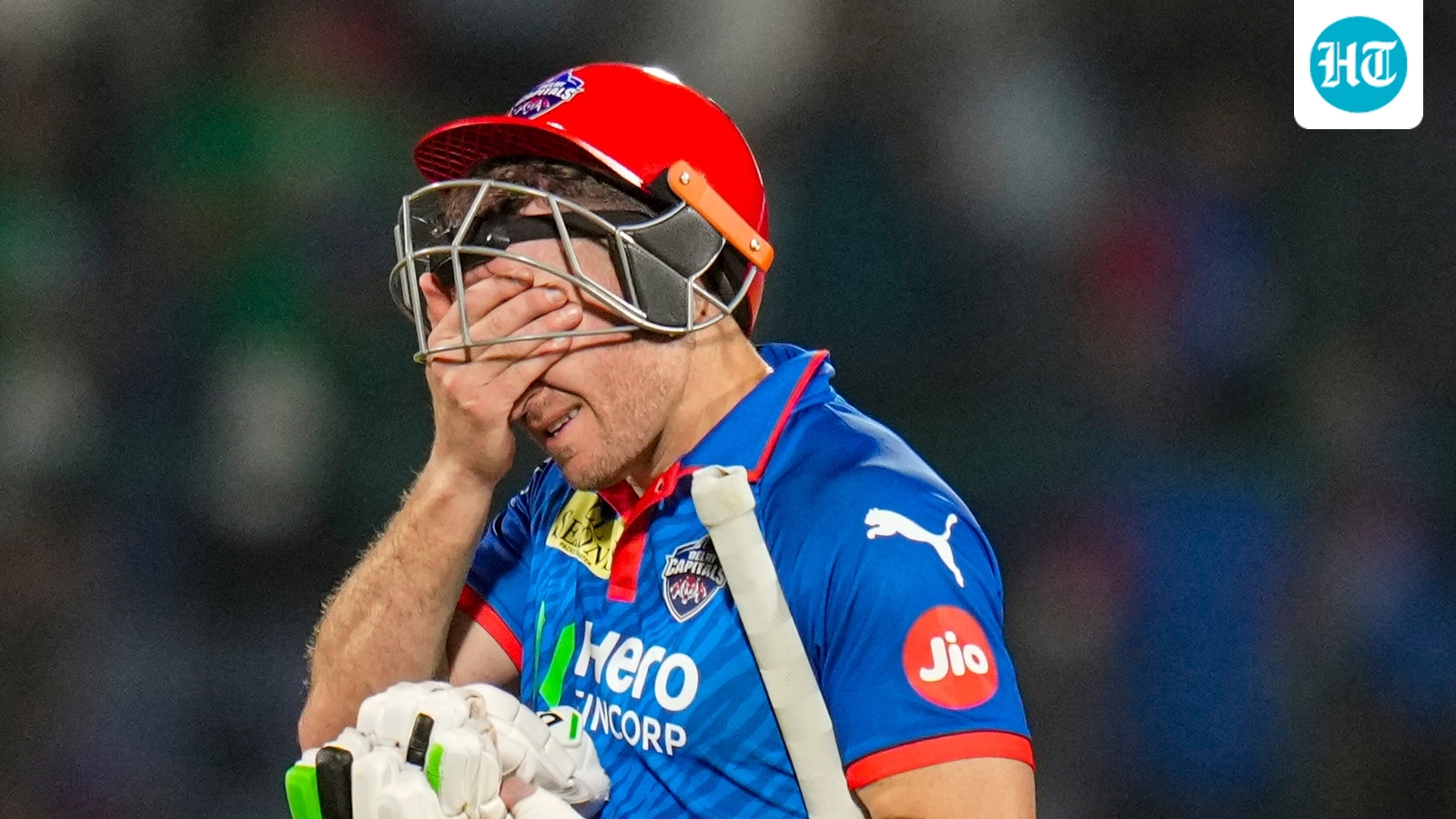
Ashwin Slams Miller For Denying Strike To Kuldeep
Ravichandran Ashwin criticized David Miller’s decision to not give strike to Kuldeep Yadav during a crucial moment. Ashwin questioned Miller’s tactical awareness, suggesting he showed no compassion toward his struggling partner and missed an opportunity to rotate the strike effectively.
Miller’s strike rotation was genuinely poor captaincy. Ashwin’s right to call it out. But here’s what’s missed: Kuldeep was struggling against short-pitched bowling, and Miller keeping him off strike wasn’t heartlessness—it was self-preservation. A tailender facing express pace is a liability. Ashwin’s critique ignores the match situation entirely. Miller made the right call, just executed it badly by not communicating it.