BCCI Shifts IPL 2026 Final From Bengaluru To Ahmedabad
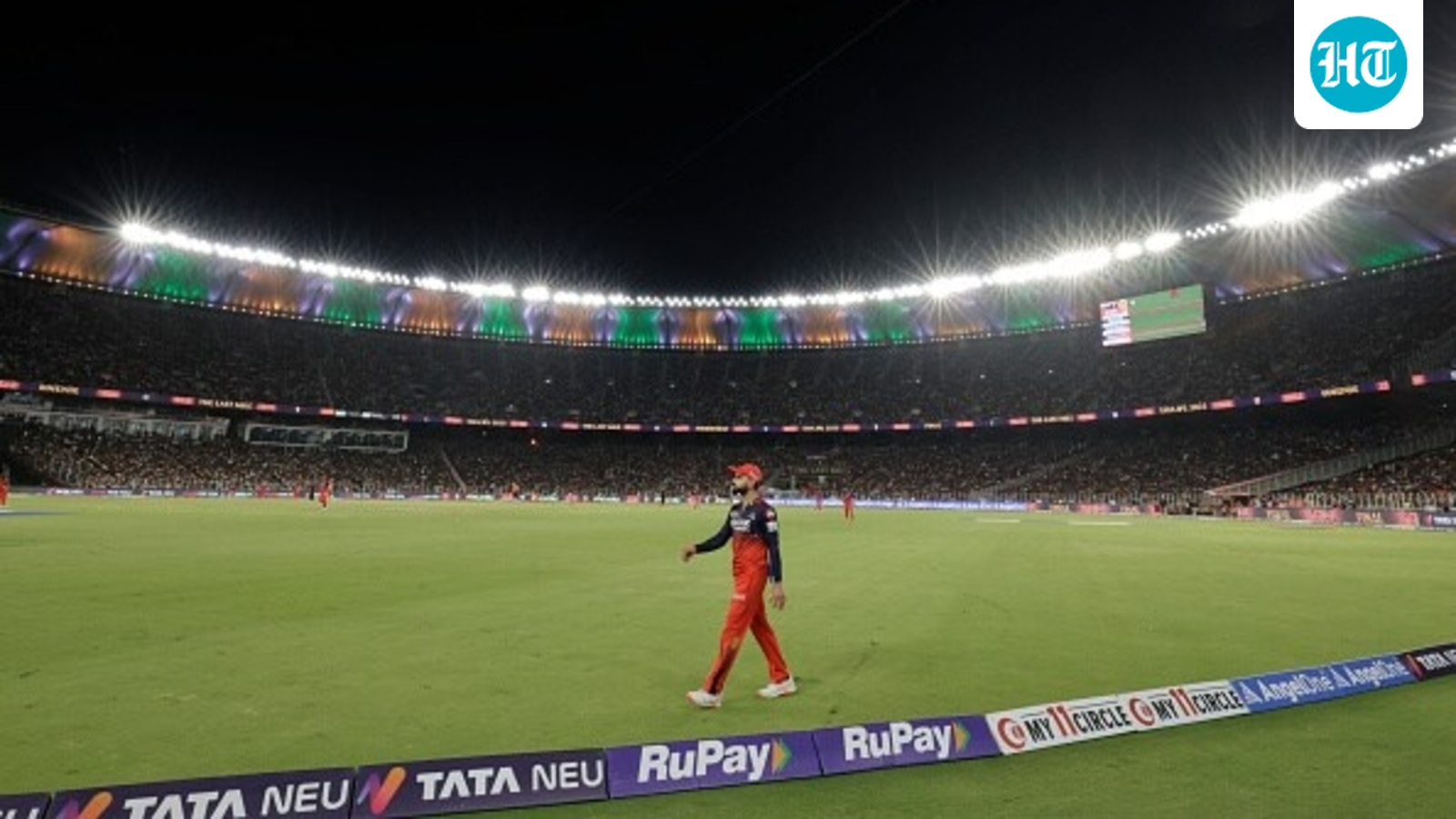
The BCCI has announced the IPL 2026 playoffs schedule, relocating the summit clash from Bengaluru to Ahmedabad’s Narendra Modi Stadium. Bengaluru loses hosting rights for the final due to operational issues. Ahmedabad will host its fourth IPL final, continuing its stronghold as a premier venue for the league’s marquee event.
Bengaluru’s operational incompetence has cost it cricket’s biggest stage. The BCCI’s shift to Ahmedabad isn’t just logistics—it’s a statement that India’s tech capital can’t handle premium venues. Ahmedabad’s fourth final in five years raises franchise concerns about monopolizing marquee events and limiting city rotation. The stadium’s political symbolism probably didn’t hurt either. We’re watching infrastructure failures directly shape IPL geography, and that’s damaging for competitive balance across India.
IPL 2026 Playoff Race Tightens as Mid-Table Teams Battle
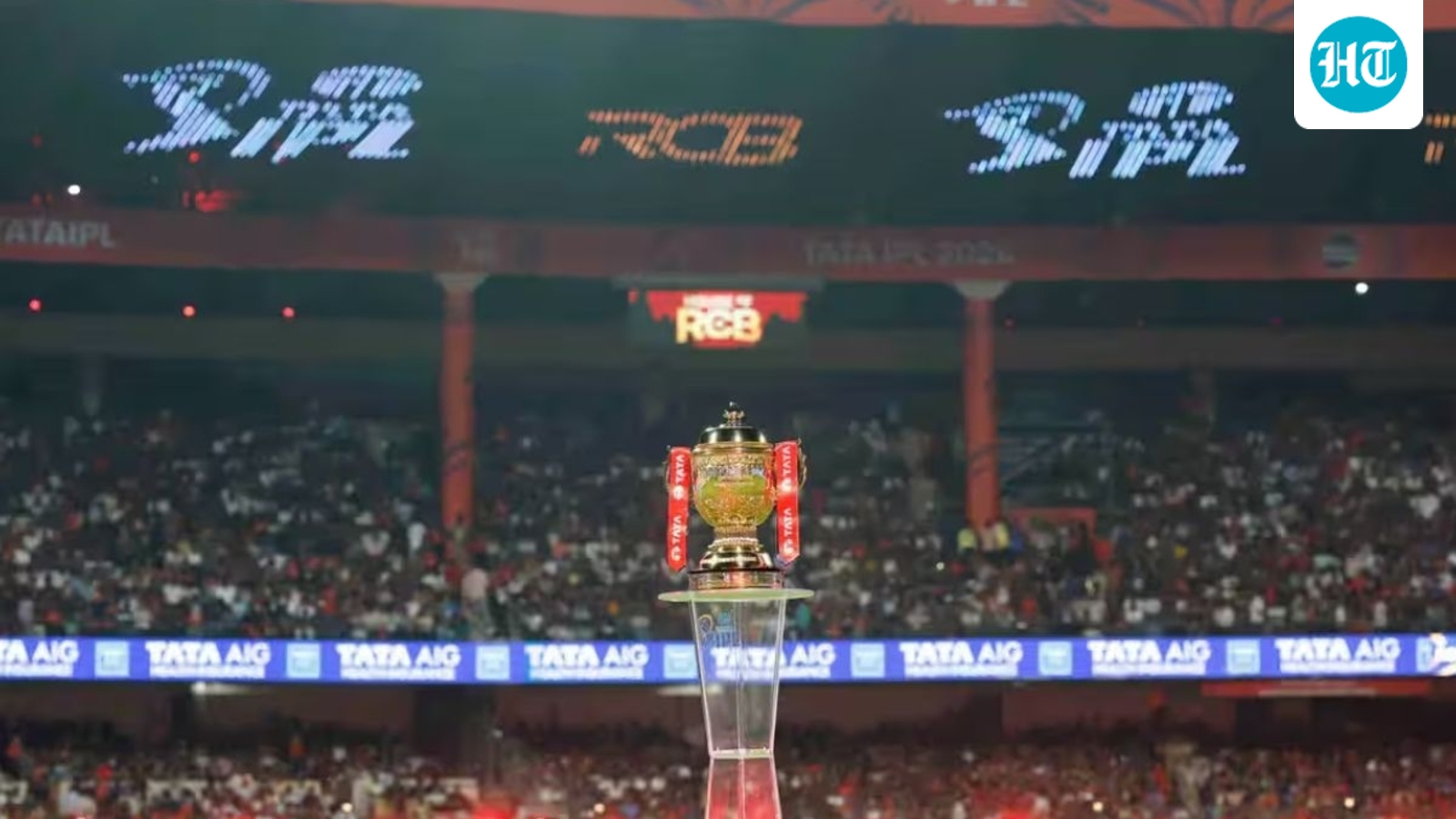
SRH, GT, and RR are locked at 12 points but have played one extra game, leaving minimal room for error. PBKS and RCB lead the race with games in hand, while DC faces elimination pressure. The playoff spots remain wide open with several teams still in contention.
The extra game played by SRH, GT, and RR is a fixture congestion disaster waiting to explode. These three are functionally three points ahead while carrying fatigue—a massive advantage for fresh teams like PBKS and RCB. What nobody’s discussing: bowling depth will destroy someone in the final stretch. DC’s death bowling is already fragile. They’re finished. The middle-table logjam doesn’t create drama; it creates predictable casualties.

Manjrekar Backs Parag Punishment But Demands Vape Supplier Action
Sanjay Manjrekar acknowledged BCCI’s rightful punishment of Riyan Parag for vaping, illegal in India. However, he criticized the ‘microscopic scrutiny’ on the player, urging authorities to investigate and take action against the illegal vape supplier instead of just targeting the athlete.
The real issue isn’t Parag’s punishment—it’s the BCCI’s selective enforcement. Manjrekar’s right: busting a teenager while ignoring the supplier network is backwards justice. Nobody asks why vape accessibility in Indian cricket remains unpoliced. The franchise system shields wealthy players from scrutiny while young talent absorbs all consequences. Until authorities target distribution, not just consumption, expect more athletes getting caught while criminals operate freely.